Cooked Clam Meat
What is Cooked Clam Meat?
Cooked clam meat is derived from edible clams that have been processed by cooking. Clams are bivalve mollusks commonly harvested from marine and brackish waters worldwide. Cooking methods can include steaming, boiling, or baking to make them safe for consumption and improve texture.
Is Cooked Clam Meat vegan?
No. Cooked Clam Meat is animal-derived, so it is not vegan.
Is Cooked Clam Meat a major allergen?
Clams are classified as shellfish, which is one of the 9 FDA major allergens.
What is Cooked Clam Meat used for?
Cooked clam meat is primarily used to add a distinct seafood flavor and texture to dishes.
Is Cooked Clam Meat safe?
Cooked clam meat is a natural food ingredient and is not subject to FDA additive regulations.
Why it's used
Cooked clam meat is primarily used to add a distinct seafood flavor and texture to dishes. It is frequently found in canned soups, chowders, pasta sauces, and frozen seafood mixes. Manufacturers use it as a key ingredient to provide a savory, umami taste characteristic of shellfish.
Health notes
Cooked clam meat is a natural food ingredient and is not subject to FDA additive regulations. It is a source of protein, vitamins, and minerals. Like all seafood, it can be a source of allergens. Consuming raw or undercooked shellfish carries a risk of illness from bacteria and viruses.
Allergen info
Clams are classified as shellfish, which is one of the 9 FDA major allergens. People with shellfish allergies should avoid this ingredient.
Foods that contain Cooked Clam Meat
Compare products →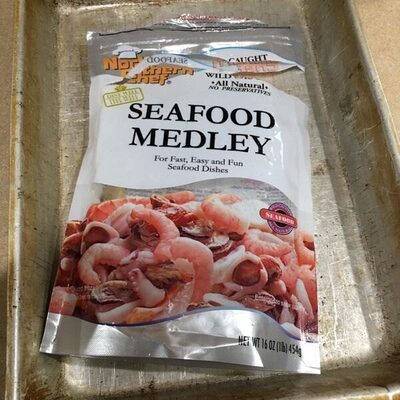
Learn more
Auto-generated content. This description was generated automatically and is pending editorial review. Inaccuracies are possible. Found a mistake? Contact us.