Cooked Spaghetti Pasta
What is Cooked Spaghetti Pasta?
Cooked spaghetti pasta is a type of noodle typically made from durum wheat flour and water, sometimes with eggs. It is shaped into long, thin strands and then boiled until tender. This process makes it ready for consumption.
Is Cooked Spaghetti Pasta vegan?
Cooked Spaghetti Pasta is not animal-derived. Products that contain it can still include other animal-derived ingredients, so check the full ingredient list.
Is Cooked Spaghetti Pasta a major allergen?
Contains wheat, which is one of the nine major food allergens identified by the FDA.
What is Cooked Spaghetti Pasta used for?
In packaged foods, cooked spaghetti pasta serves as a primary carbohydrate component, often forming the base of meals like spaghetti and meatballs or pasta dishes.
Is Cooked Spaghetti Pasta safe?
Cooked spaghetti pasta is a common food item and not a food additive, so it does not have an FDA regulatory status like GRAS or an approved additive.
Why it's used
In packaged foods, cooked spaghetti pasta serves as a primary carbohydrate component, often forming the base of meals like spaghetti and meatballs or pasta dishes. It provides texture and bulk to entrees and side dishes.
Health notes
Cooked spaghetti pasta is a common food item and not a food additive, so it does not have an FDA regulatory status like GRAS or an approved additive. International bodies like JECFA or EFSA do not evaluate basic food ingredients like pasta in the same way they assess food additives. For individuals with celiac disease or gluten sensitivity, consuming wheat-based pasta can cause adverse reactions.
Allergen info
Contains wheat, which is one of the nine major food allergens identified by the FDA.
Foods that contain Cooked Spaghetti Pasta
Compare products →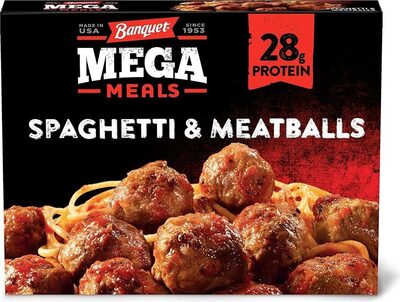
Learn more
Auto-generated content. This description was generated automatically and is pending editorial review. Inaccuracies are possible. Found a mistake? Contact us.