Cooking Wine
What is Cooking Wine?
Cooking wine is wine that has been treated with salt, typically at a rate of about 1.5% by weight. It is made from standard wine, but the added salt makes it undrinkable on its own. This process is done to avoid taxes levied on wine intended for consumption.
Is Cooking Wine gluten-free?
It does not contain gluten.
Is Cooking Wine a major allergen?
Cooking wine is not derived from any of the 9 FDA major allergens.
What is Cooking Wine used for?
Cooking wine is used as a flavoring agent in a variety of dishes, particularly in sauces, marinades, and braised meats.
Is Cooking Wine safe?
Cooking wine is generally recognized as safe (GRAS) by the FDA for use as a food ingredient.
Why it's used
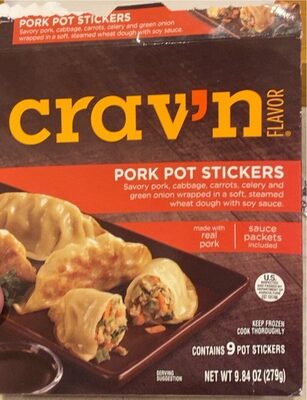
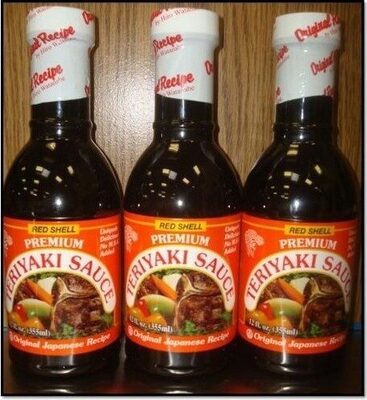
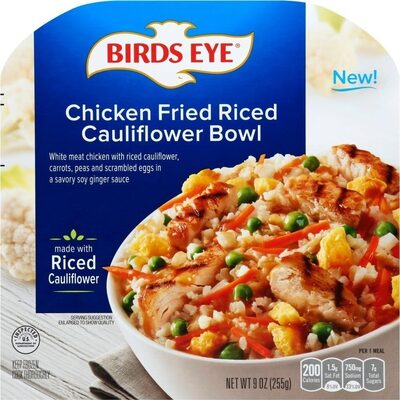
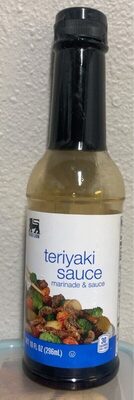
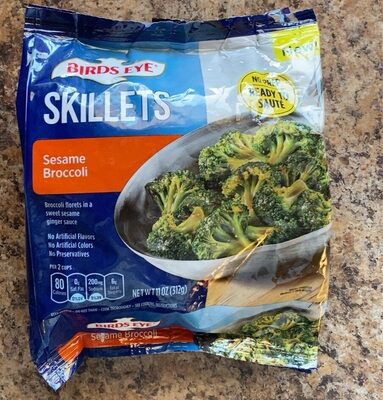
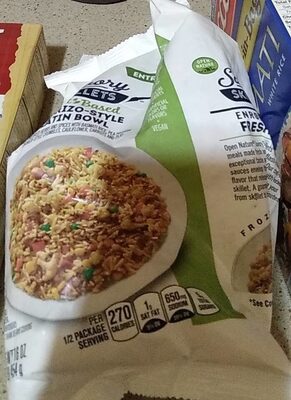
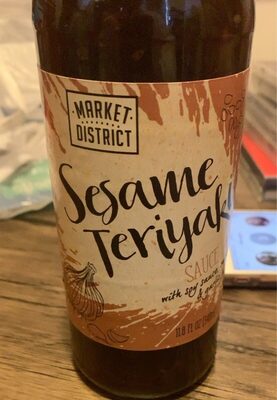
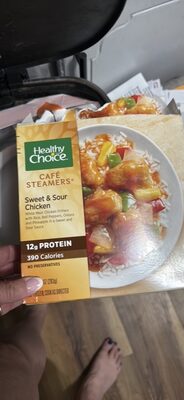
Cooking wine is used as a flavoring agent in a variety of dishes, particularly in sauces, marinades, and braised meats. Manufacturers add it to enhance the overall taste and complexity of savory foods. It is commonly found in frozen appetizers, frozen dinners, and grain-based meals.
Health notes
Cooking wine is generally recognized as safe (GRAS) by the FDA for use as a food ingredient. The alcohol content is significantly reduced during the cooking process, leaving behind flavor compounds. JECFA has evaluated wine and established guidance on its use. While cooking wine contains salt, the amount used in recipes is typically small and unlikely to contribute significantly to overall sodium intake.
Allergen info
Cooking wine is not derived from any of the 9 FDA major allergens. It does not contain gluten.
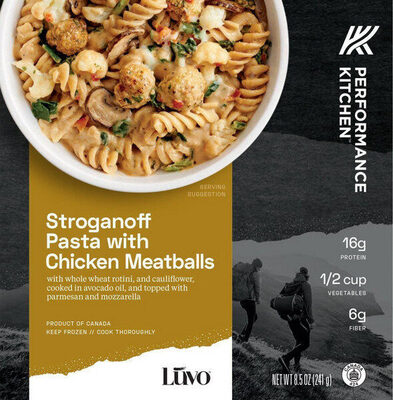
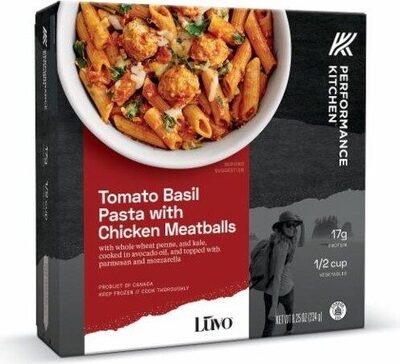
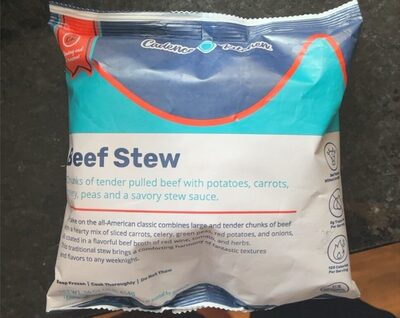
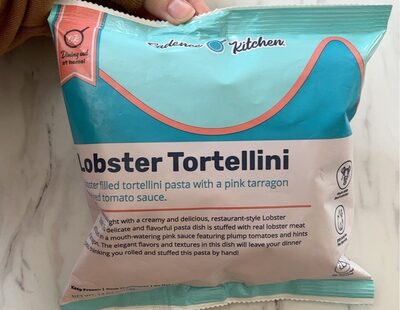
Foods that contain Cooking Wine
Compare products →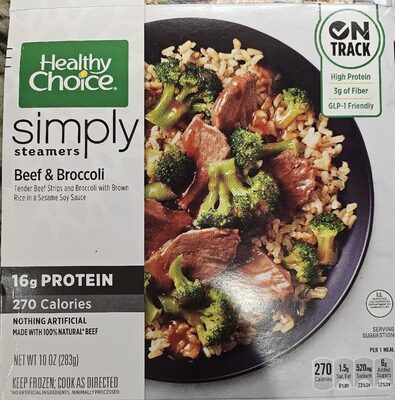
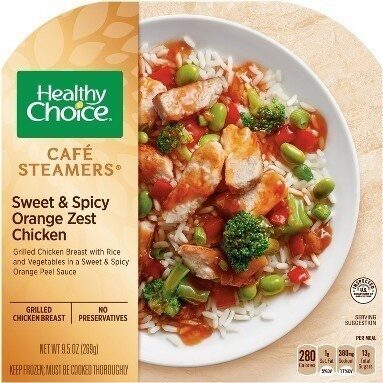
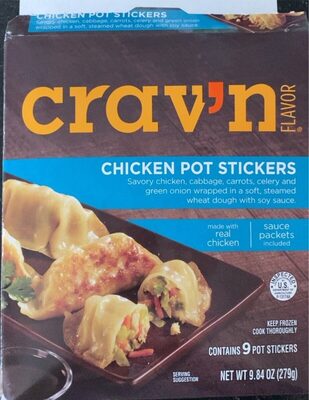
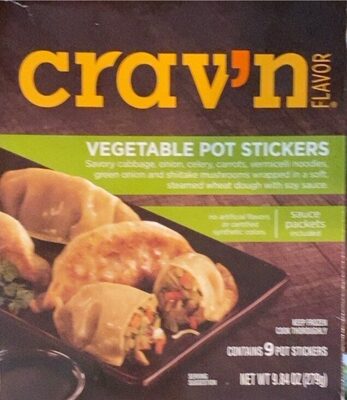

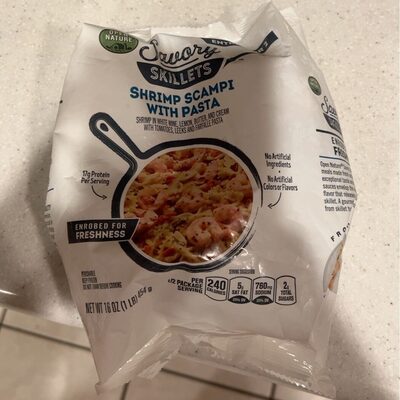
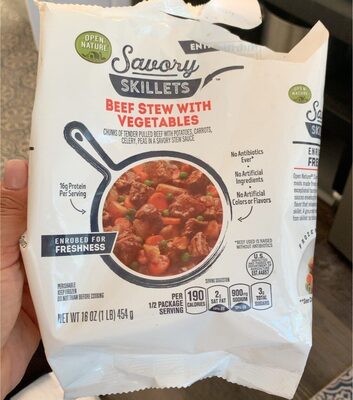
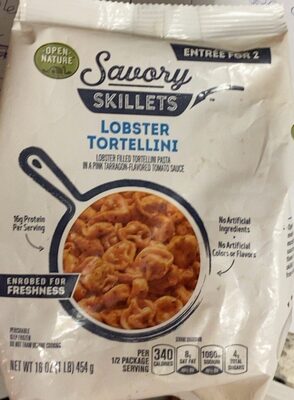
Learn more
Auto-generated content. This description was generated automatically and is pending editorial review. Inaccuracies are possible. Found a mistake? Contact us.