Cottonseed Or Safflower
What is Cottonseed Or Safflower?
Cottonseed oil is extracted from the seeds of cotton plants. Safflower oil comes from the seeds of the safflower plant. Both are refined vegetable oils used for cooking and in processed foods.
Is Cottonseed Or Safflower vegan?
Cottonseed Or Safflower is not animal-derived. Products that contain it can still include other animal-derived ingredients, so check the full ingredient list.
Is Cottonseed Or Safflower gluten-free?
They do not contain gluten.
Is Cottonseed Or Safflower a major allergen?
Cottonseed oil and safflower oil are not derived from any of the 9 FDA major allergens.
What is Cottonseed Or Safflower used for?
These oils are used as cooking oils and as ingredients in a wide variety of processed foods, including baked goods like cookies and crackers.
Is Cottonseed Or Safflower safe?
Cottonseed oil and safflower oil are generally recognized as safe (GRAS) by the FDA for use in food.
Why it's used
These oils are used as cooking oils and as ingredients in a wide variety of processed foods, including baked goods like cookies and crackers. They provide a neutral flavor and contribute to the texture and shelf life of products.
Health notes
Cottonseed oil and safflower oil are generally recognized as safe (GRAS) by the FDA for use in food. They are sources of polyunsaturated and monounsaturated fats. Regulatory bodies like JECFA and EFSA have evaluated vegetable oils. Evidence on the health effects of specific oils is ongoing and may vary based on processing and overall diet.
Allergen info
Cottonseed oil and safflower oil are not derived from any of the 9 FDA major allergens. They do not contain gluten.
Foods that contain Cottonseed Or Safflower
Compare products →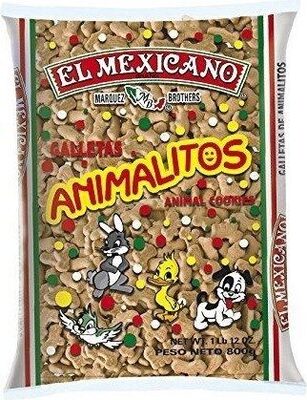
Learn more
Auto-generated content. This description was generated automatically and is pending editorial review. Inaccuracies are possible. Found a mistake? Contact us.