Cracker Crumbs
What is Cracker Crumbs?
Cracker crumbs are small pieces of crushed crackers. They are made by breaking down baked crackers, often to a fine powder or coarse texture depending on the intended use.
Is Cracker Crumbs vegan?
Cracker Crumbs is not animal-derived. Products that contain it can still include other animal-derived ingredients, so check the full ingredient list.
Is Cracker Crumbs gluten-free?
Cracker crumbs are typically made from wheat flour, making them a source of gluten and a wheat allergen.
What is Cracker Crumbs used for?
Manufacturers use cracker crumbs as a binder and coating for foods like meatloaf, meatballs, and fried items.
Is Cracker Crumbs safe?
In the US, cracker crumbs are generally recognized as safe (GRAS) by the FDA when used as intended.
Why it's used
Manufacturers use cracker crumbs as a binder and coating for foods like meatloaf, meatballs, and fried items. They also add texture and flavor to casseroles, stuffings, and desserts like cheesecakes.
Health notes
In the US, cracker crumbs are generally recognized as safe (GRAS) by the FDA when used as intended. They are primarily a source of carbohydrates. International bodies like JECFA have evaluated similar food ingredients. No significant health concerns are associated with typical consumption levels.
Allergen info
Cracker crumbs are typically made from wheat flour, making them a source of gluten and a wheat allergen. They are not derived from the other major allergens.
Foods that contain Cracker Crumbs
Compare products →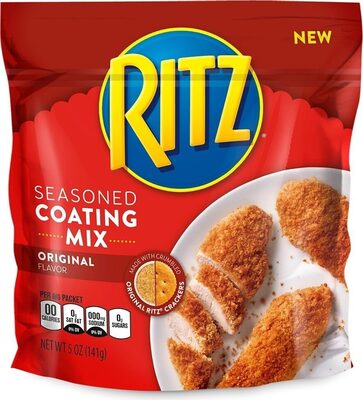
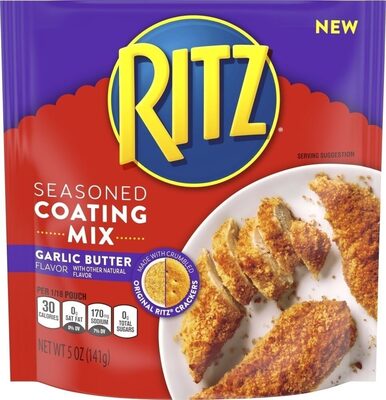 RITZ
Garlic Butter Flavor Seasoned Coating Mix, Garlic; Butter
375kcal
12.5Protein
12.5Fat
62.5Carbs
Learn more
Auto-generated content. This description was generated automatically and is pending editorial review. Inaccuracies are possible. Found a mistake? Contact us.