Cream & Cultures
What is Cream & Cultures?
Cream is the high-fat layer skimmed from the top of milk. Cultures are live microorganisms, usually bacteria, added to foods like dairy products. They are used to ferment milk, creating specific flavors and textures.
Is Cream & Cultures vegan?
No. Cream & Cultures is animal-derived, so it is not vegan.
Is Cream & Cultures gluten-free?
Gluten is not typically present unless added during processing.
Is Cream & Cultures a major allergen?
Cream is derived from milk, which is one of the 9 FDA major allergens.
What is Cream & Cultures used for?
Cream and cultures are used to produce cultured dairy products like sour cream, yogurt, and cheese.
Is Cream & Cultures safe?
Cream is a dairy product and a source of fat.
Why it's used
Cream and cultures are used to produce cultured dairy products like sour cream, yogurt, and cheese. They add a rich, tangy flavor and creamy texture. They are found in dairy products, dips, dressings, and baked goods.
Health notes
Cream is a dairy product and a source of fat. Cultures, particularly probiotics found in some fermented dairy, may have health benefits for gut health, though research is ongoing. The FDA generally recognizes cream and common cultures used in dairy production as safe (GRAS). International bodies like JECFA have evaluated many food-grade cultures.
Allergen info
Cream is derived from milk, which is one of the 9 FDA major allergens. Gluten is not typically present unless added during processing.
Foods that contain Cream & Cultures
Compare products →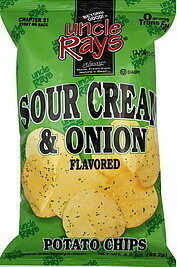
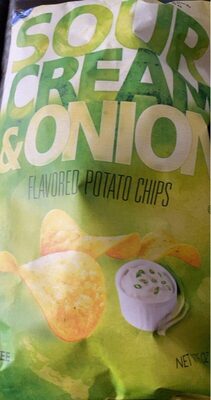
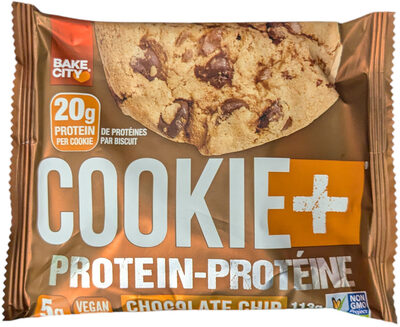
Learn more
Auto-generated content. This description was generated automatically and is pending editorial review. Inaccuracies are possible. Found a mistake? Contact us.