Cream Of Tartar
What is Cream Of Tartar?
Cream of tartar is a white, powdery substance. It is the common name for potassium bitartrate, a natural byproduct of winemaking. It forms as crystals inside wine barrels during fermentation and is then collected and purified.
Is Cream Of Tartar vegan?
Cream Of Tartar is not animal-derived. Products that contain it can still include other animal-derived ingredients, so check the full ingredient list.
Is Cream Of Tartar a major allergen?
Not a major allergen.
What is Cream Of Tartar used for?
In foods, cream of tartar is often used as a leavening agent, especially when combined with baking soda to help baked goods rise.
Is Cream Of Tartar safe?
Cream of tartar is considered Generally Recognized As Safe (GRAS) by the U.S. Food and Drug Administration (FDA) for use in food.
Why it's used
In foods, cream of tartar is often used as a leavening agent, especially when combined with baking soda to help baked goods rise. It also acts as a stabilizer for egg whites in meringues and soufflés, and helps prevent sugar from crystallizing in candies and syrups. It is commonly found in baking powder, cakes, cookies, and other pastries.
Health notes
Cream of tartar is considered Generally Recognized As Safe (GRAS) by the U.S. Food and Drug Administration (FDA) for use in food. The Joint FAO/WHO Expert Committee on Food Additives (JECFA) has evaluated tartaric acid and its salts, including potassium bitartrate, and did not set a numeric acceptable daily intake (ADI not specified). At typical intake levels found in food, it is generally considered safe. There are no notable controversies regarding its safety as a food ingredient.
Allergen info
Not a major allergen.
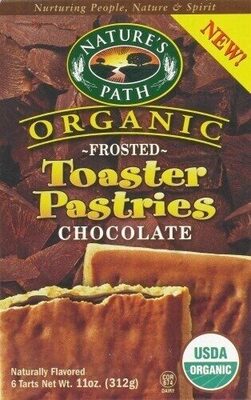
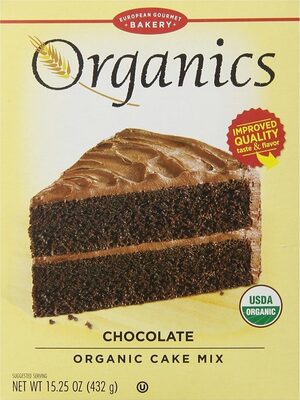
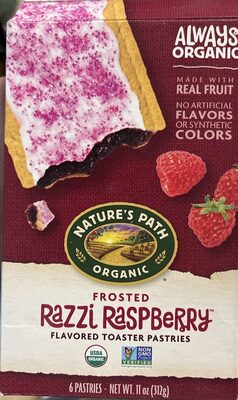
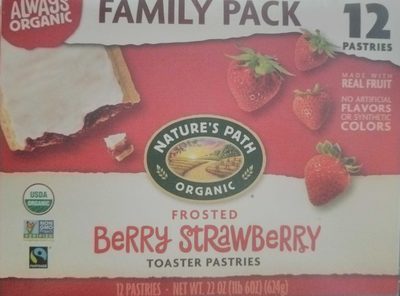
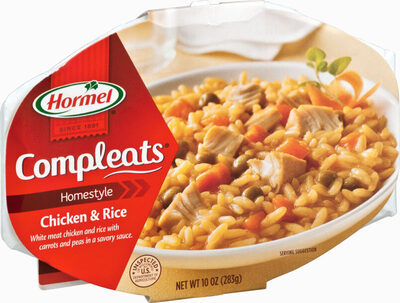
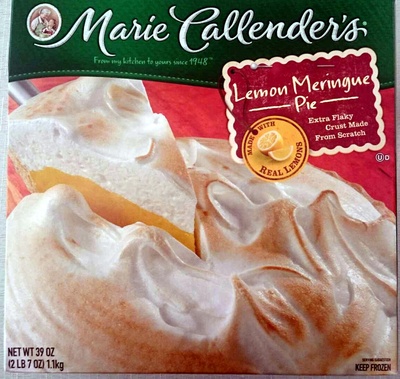
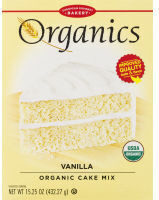
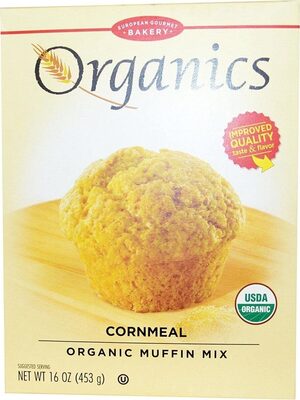
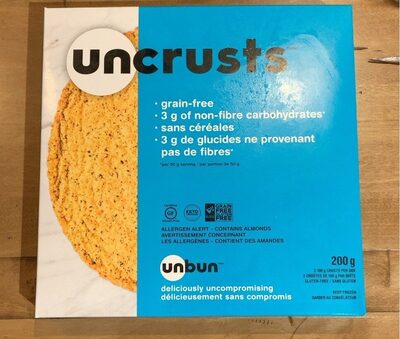
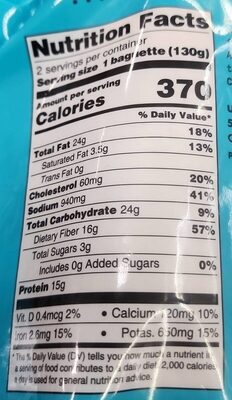
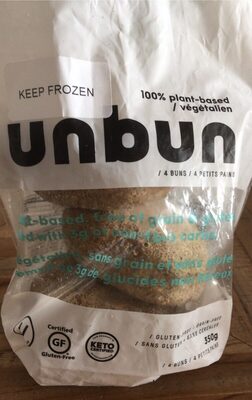
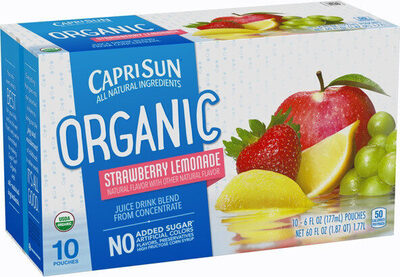
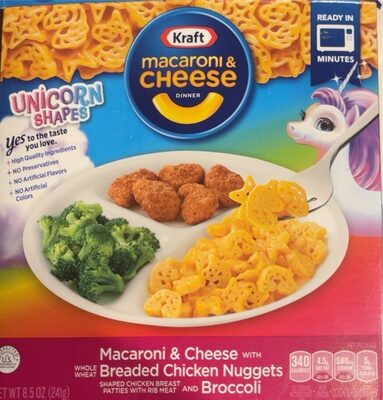
Foods that contain Cream Of Tartar
Compare products →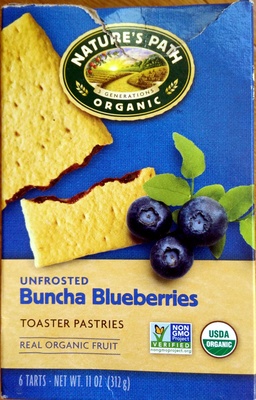





Auto-generated content. This description was generated automatically and is pending editorial review. Inaccuracies are possible. Found a mistake? Contact us.