Cultured Milk And Skim Milk
What is Cultured Milk And Skim Milk?
Cultured milk and skim milk are dairy products made by adding specific bacteria cultures to milk or skim milk. These cultures ferment lactose (milk sugar) into lactic acid, giving the milk a tangy flavor and thicker texture. This process is similar to how yogurt and cheese are made.
Is Cultured Milk And Skim Milk vegan?
No. Cultured Milk And Skim Milk is animal-derived, so it is not vegan.
Is Cultured Milk And Skim Milk a major allergen?
Milk is one of the 9 major allergens identified by the FDA.
What is Cultured Milk And Skim Milk used for?
These ingredients are used to add a creamy, tangy flavor and improve texture in a wide variety of foods.
Is Cultured Milk And Skim Milk safe?
Cultured milk and skim milk are generally recognized as safe (GRAS) by the FDA for use in food.
Why it's used
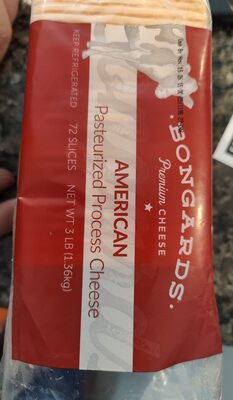
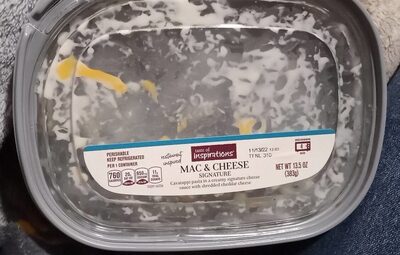
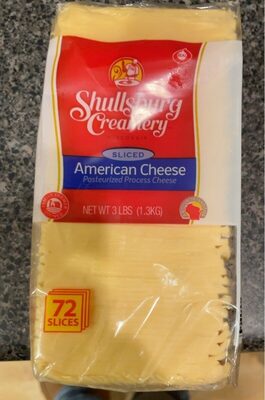
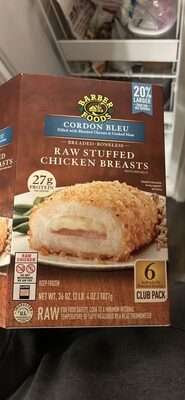
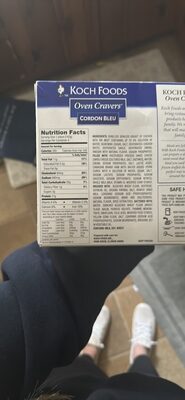
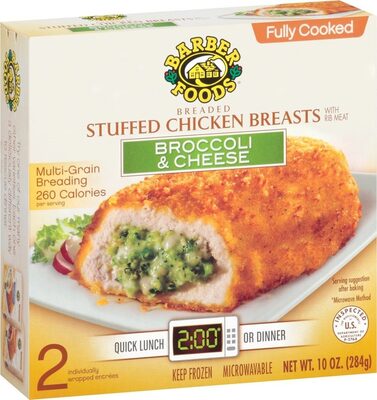
These ingredients are used to add a creamy, tangy flavor and improve texture in a wide variety of foods. They act as a source of dairy solids, contributing to richness and body. You'll find them in dairy-based products like cheese spreads, processed cheeses, frozen meals, and baked goods.
Health notes
Cultured milk and skim milk are generally recognized as safe (GRAS) by the FDA for use in food. They are a source of calcium and protein. International bodies like JECFA and EFSA have evaluated similar dairy components. Consumption as part of a balanced diet is not associated with adverse health effects.
Allergen info
Milk is one of the 9 major allergens identified by the FDA. Therefore, cultured milk and skim milk are considered major allergens.
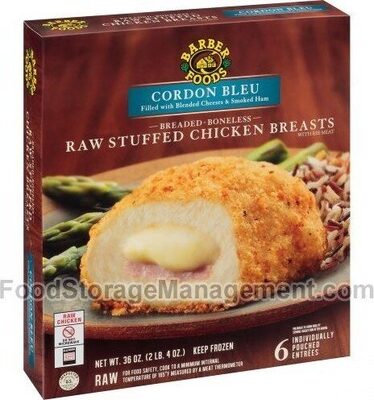
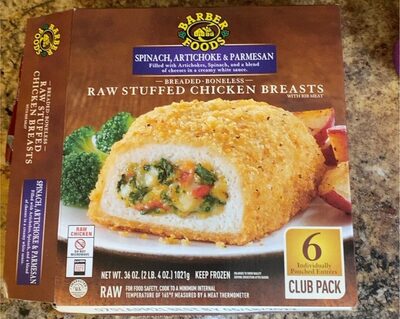
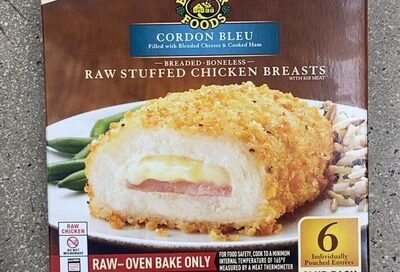
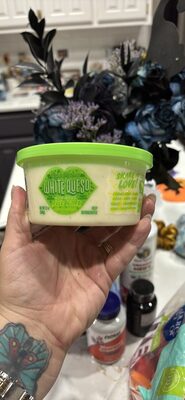
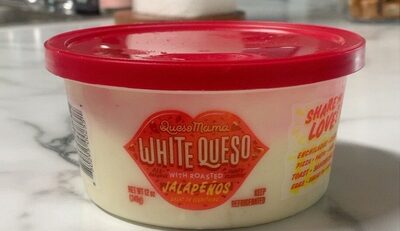
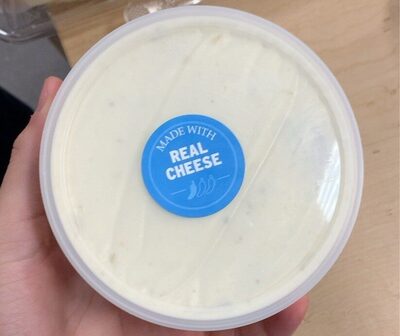
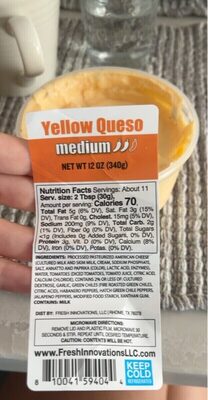
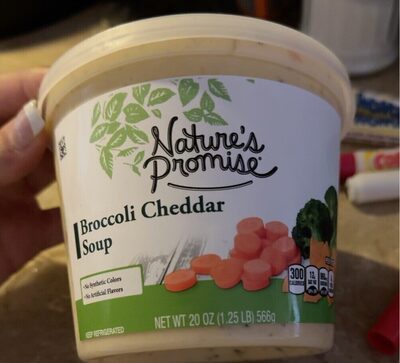
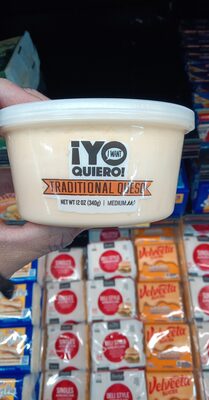
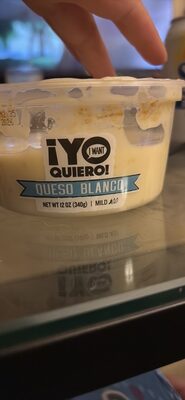
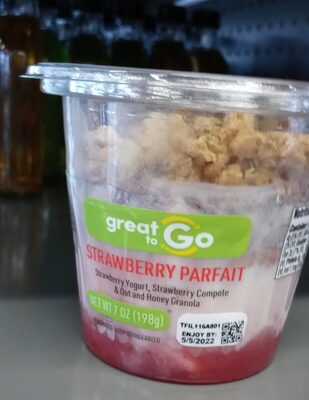
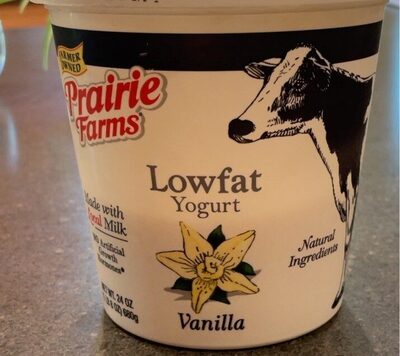
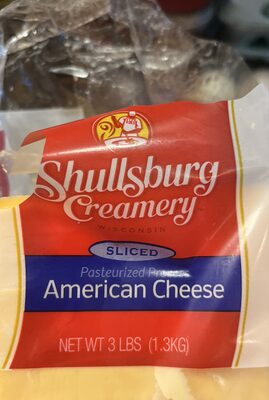
Foods that contain Cultured Milk And Skim Milk
Compare products →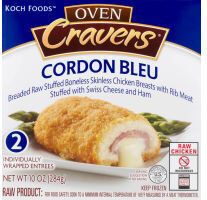
Learn more
Auto-generated content. This description was generated automatically and is pending editorial review. Inaccuracies are possible. Found a mistake? Contact us.