Cultured Milk & Cream
What is Cultured Milk & Cream?
Cultured milk and cream are dairy products made by adding specific bacteria cultures to milk or cream. These bacteria ferment the lactose (sugar) in the milk, producing lactic acid, which thickens the product and gives it a tangy flavor. This process is similar to how yogurt is made.
Is Cultured Milk & Cream vegan?
No. Cultured Milk & Cream is animal-derived, so it is not vegan.
Is Cultured Milk & Cream gluten-free?
They do not contain gluten.
Is Cultured Milk & Cream a major allergen?
Cultured milk and cream are derived from milk, which is one of the nine FDA major allergens.
What is Cultured Milk & Cream used for?
Manufacturers use cultured milk and cream as a base for dips, sour cream, and some cheeses, adding a rich texture and tangy flavor.
Is Cultured Milk & Cream safe?
Cultured milk and cream are generally recognized as safe (GRAS) by the FDA for use in food.
Why it's used
Manufacturers use cultured milk and cream as a base for dips, sour cream, and some cheeses, adding a rich texture and tangy flavor. They are also used in baked goods like cheesecakes and pastries to improve moisture and flavor.
Health notes
Cultured milk and cream are generally recognized as safe (GRAS) by the FDA for use in food. They are a source of calcium and protein. International bodies like JECFA have evaluated similar dairy products. At typical consumption levels, they are a nutritious part of the diet.
Allergen info
Cultured milk and cream are derived from milk, which is one of the nine FDA major allergens. They do not contain gluten.
Foods that contain Cultured Milk & Cream
Compare products →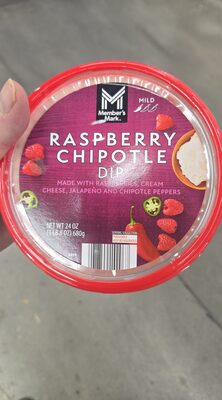 Wal-Mart Stores, Inc.
Raspberry Chipotle Dip
High in saturated fat — 20% DV per serving
267kcal
3.3Protein
20Fat
20Carbs
Wal-Mart Stores, Inc.
Raspberry Chipotle Dip
High in saturated fat — 20% DV per serving
267kcal
3.3Protein
20Fat
20Carbs
 Alex's Meat Corporation
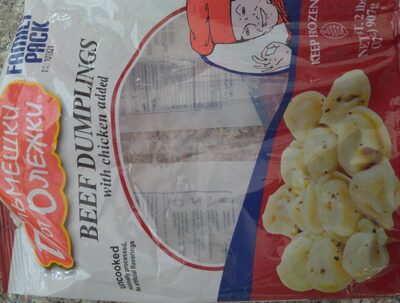
Beef Dumplings With Chicken, Beef
213kcal
13.0Protein
7.4Fat
23.1Carbs
Alex's Meat Corporation
Beef Dumplings With Chicken, Beef
213kcal
13.0Protein
7.4Fat
23.1Carbs
 Wm. Bolthouse Farms Inc.
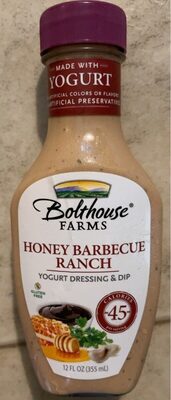
Honey Barbecue Ranch Yogurt Dressing & Dip, Honey; Barbecue
150kcal
3.3Protein
8.3Fat
13.3Carbs
Wm. Bolthouse Farms Inc.
Honey Barbecue Ranch Yogurt Dressing & Dip, Honey; Barbecue
150kcal
3.3Protein
8.3Fat
13.3Carbs
 Meijer, Inc.
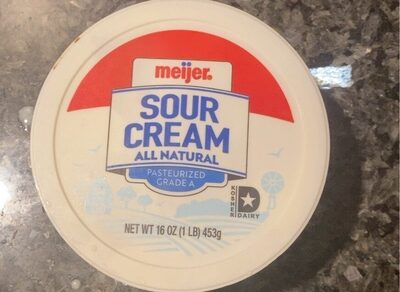
Sour Cream
200kcal
3.3Protein
20Fat
3.3Carbs
Meijer, Inc.
Sour Cream
200kcal
3.3Protein
20Fat
3.3Carbs
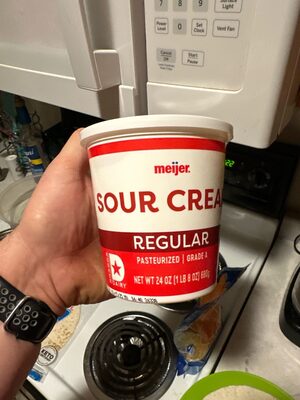 Meijer, Inc.
Sour Cream
200kcal
3.3Protein
20Fat
3.3Carbs
Meijer, Inc.
Sour Cream
200kcal
3.3Protein
20Fat
3.3Carbs
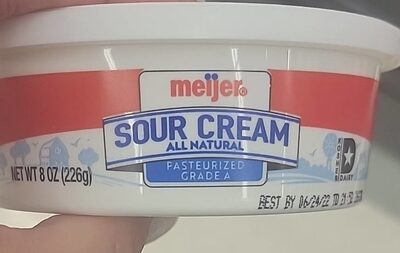 Meijer, Inc.
Sour Cream
200kcal
3.3Protein
20Fat
3.3Carbs
Meijer, Inc.
Sour Cream
200kcal
3.3Protein
20Fat
3.3Carbs
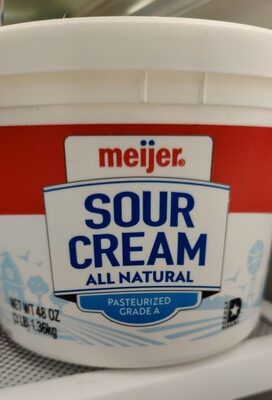 Meijer, Inc.
Sour Cream
200kcal
3.3Protein
20Fat
3.3Carbs
LAKEVIEW FARMS
Onion Dip With Beef
214kcal
7.1Protein
21.4Fat
7.1Carbs
The Kroger Co.
Cheesecake, Strawberry
High in saturated fat — 40% DV per serving
255kcal
3.6Protein
11.8Fat
34.5Carbs
Lone RIdge Outdoors
Jose Pepper's, Espinaca Queso Party Dip
136kcal
6.1Protein
9.1Fat
3.0Carbs
Gilbert Foods LLC.
Vegetable Snack Tray With Cheese & Dip
High in saturated fat — 45% DV per serving
96kcal
6.6Protein
7.1Fat
2.0Carbs
Borman's, Inc.
Petite Party Tray
62kcal
0.9Protein
4.4Fat
6.2Carbs
Meijer, Inc.
Sour Cream
200kcal
3.3Protein
20Fat
3.3Carbs
LAKEVIEW FARMS
Onion Dip With Beef
214kcal
7.1Protein
21.4Fat
7.1Carbs
The Kroger Co.
Cheesecake, Strawberry
High in saturated fat — 40% DV per serving
255kcal
3.6Protein
11.8Fat
34.5Carbs
Lone RIdge Outdoors
Jose Pepper's, Espinaca Queso Party Dip
136kcal
6.1Protein
9.1Fat
3.0Carbs
Gilbert Foods LLC.
Vegetable Snack Tray With Cheese & Dip
High in saturated fat — 45% DV per serving
96kcal
6.6Protein
7.1Fat
2.0Carbs
Borman's, Inc.
Petite Party Tray
62kcal
0.9Protein
4.4Fat
6.2Carbs
Learn more
Auto-generated content. This description was generated automatically and is pending editorial review. Inaccuracies are possible. Found a mistake? Contact us.