Cultured Nonfat Buttermilk
What is Cultured Nonfat Buttermilk?
Cultured nonfat buttermilk is the liquid left over after butter is churned from cream. It is made by adding a bacterial culture to skim milk, which ferments the lactose into lactic acid, giving it a tangy flavor and thicker consistency.
Is Cultured Nonfat Buttermilk vegan?
No. Cultured Nonfat Buttermilk is animal-derived, so it is not vegan.
Is Cultured Nonfat Buttermilk gluten-free?
It does not contain gluten.
Is Cultured Nonfat Buttermilk a major allergen?
Cultured nonfat buttermilk is derived from milk, which is one of the 9 FDA major allergens.
What is Cultured Nonfat Buttermilk used for?
Manufacturers use cultured nonfat buttermilk as a leavening agent and for its tangy flavor.
Is Cultured Nonfat Buttermilk safe?
Cultured nonfat buttermilk is generally recognized as safe (GRAS) by the FDA.
Why it's used
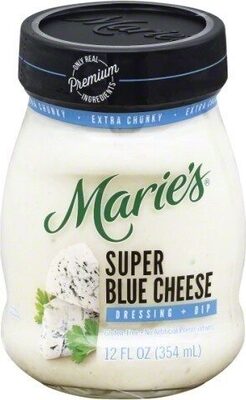
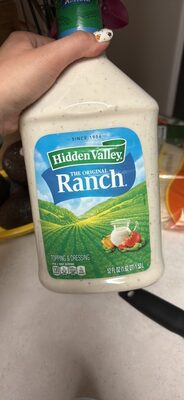
Manufacturers use cultured nonfat buttermilk as a leavening agent and for its tangy flavor. It reacts with baking soda to produce carbon dioxide gas, which helps baked goods rise. It is commonly found in baked goods like biscuits, pancakes, and cakes, as well as in salad dressings and marinades.
Health notes
Cultured nonfat buttermilk is generally recognized as safe (GRAS) by the FDA. It is a source of protein and calcium. International bodies like JECFA have evaluated buttermilk, but no specific health concerns are associated with its typical consumption in the US diet.
Allergen info
Cultured nonfat buttermilk is derived from milk, which is one of the 9 FDA major allergens. It does not contain gluten.
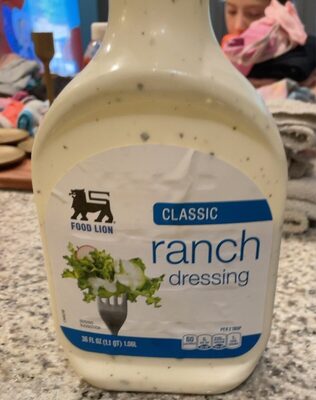
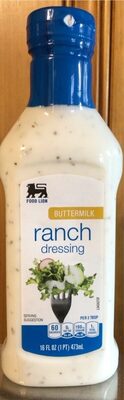
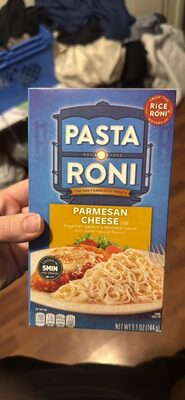
Foods that contain Cultured Nonfat Buttermilk
Compare products →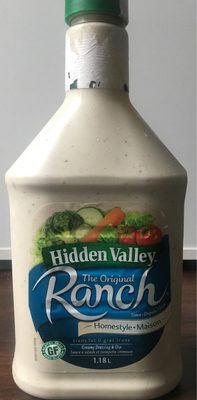
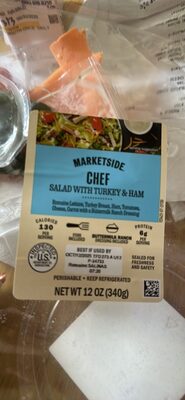
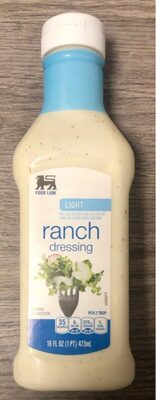
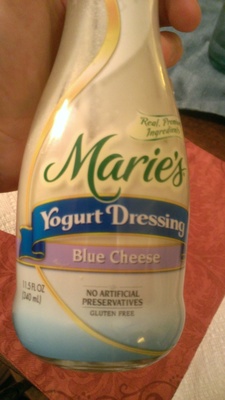
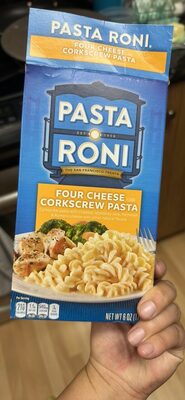
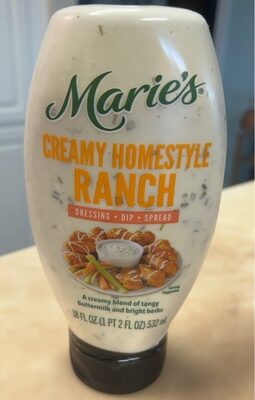
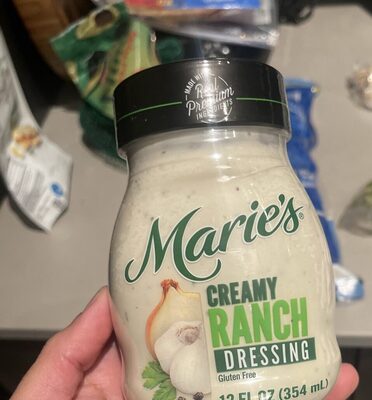
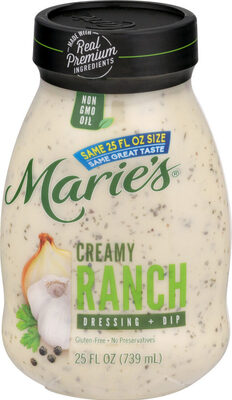
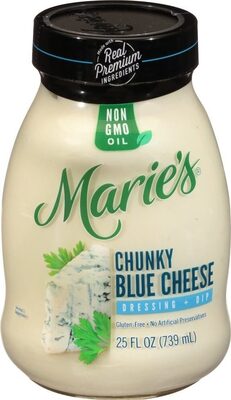
Learn more
Auto-generated content. This description was generated automatically and is pending editorial review. Inaccuracies are possible. Found a mistake? Contact us.