Cultured Organic Pasteurized Milk
Auto-generated content. This description was generated automatically and is pending editorial review. Inaccuracies are possible. Found a mistake? Contact us.
What it is
This ingredient starts with milk from cows raised under organic farming standards, meaning they are not given antibiotics or growth hormones and are fed organic feed. The milk is then pasteurized to kill harmful bacteria and cultured with live bacteria (probiotics) to develop a tangy flavor and thicker texture, similar to yogurt.
Why it's used
Cultured organic pasteurized milk is used to add a distinct tangy flavor and creamy texture to foods. It is commonly found in cheeses, yogurts, and other dairy products, where the culturing process contributes to their characteristic taste and consistency.
Health notes
In the US, cultured milk ingredients are generally recognized as safe (GRAS) by the FDA when used as intended. The live bacteria used in culturing are often considered beneficial probiotics, though specific health benefits can vary. International bodies like JECFA have evaluated similar cultured dairy products. Evidence does not suggest adverse health effects from consuming cultured milk products at typical dietary levels.
Allergen info
Cultured organic pasteurized milk is derived from milk, which is one of the nine major allergens identified by the FDA.
Products containing Cultured Organic Pasteurized Milk
Compare products →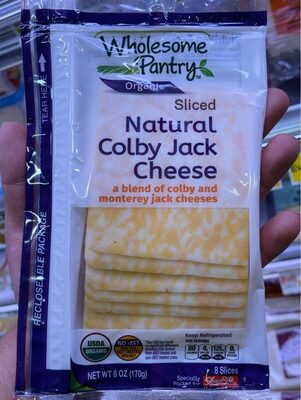 Wakefern Food Corporation
Organic, Colby Jack Organic Colby And Monterey Jack Cheeses, Colby Jack
High in saturated fat — 20% DV per serving
381kcal
23.8Protein
33.3Fat
0Carbs
Wakefern Food Corporation
Organic, Provolone Not Smoked Cheese, Provolone
333kcal
23.8Protein
28.6Fat
0Carbs
Wakefern Food Corporation
Organic, Colby Jack Organic Colby And Monterey Jack Cheeses, Colby Jack
High in saturated fat — 20% DV per serving
381kcal
23.8Protein
33.3Fat
0Carbs
Wakefern Food Corporation
Organic, Provolone Not Smoked Cheese, Provolone
333kcal
23.8Protein
28.6Fat
0Carbs