Cultured Pasteurized Organic Reduced Fat Milk
What is Cultured Pasteurized Organic Reduced Fat Milk?
Cultured pasteurized organic reduced fat milk is cow's milk that has been heated to kill harmful bacteria (pasteurized), had some of its fat removed, and comes from cows raised according to organic standards. It is then 'cultured' by adding beneficial bacteria, which causes it to ferment and thicken.
Is Cultured Pasteurized Organic Reduced Fat Milk vegan?
No. Cultured Pasteurized Organic Reduced Fat Milk is animal-derived, so it is not vegan.
Is Cultured Pasteurized Organic Reduced Fat Milk a major allergen?
Milk is one of the nine major food allergens identified by the FDA.
What is Cultured Pasteurized Organic Reduced Fat Milk used for?
This ingredient is primarily used as the base for fermented dairy products like yogurt and kefir.
Is Cultured Pasteurized Organic Reduced Fat Milk safe?
As a food, milk is generally recognized as safe (GRAS) by the FDA.
Why it's used
This ingredient is primarily used as the base for fermented dairy products like yogurt and kefir. The culturing process gives these foods their characteristic tangy flavor and creamy texture.
Health notes
As a food, milk is generally recognized as safe (GRAS) by the FDA. It is a source of protein, calcium, and other nutrients. Reduced fat milk contains less fat and calories than whole milk. There are no specific regulatory evaluations by JECFA or EFSA for this common food ingredient.
Allergen info
Milk is one of the nine major food allergens identified by the FDA.
Foods that contain Cultured Pasteurized Organic Reduced Fat Milk
Compare products →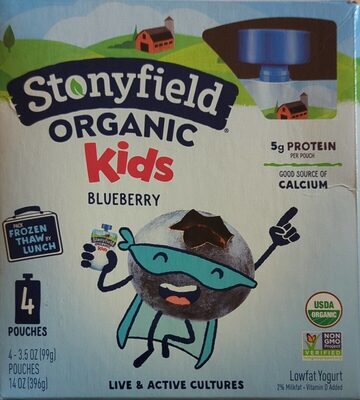
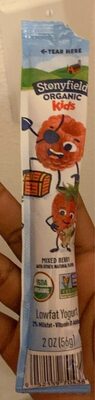
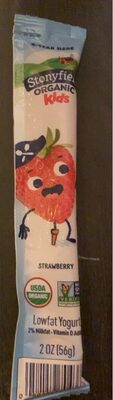
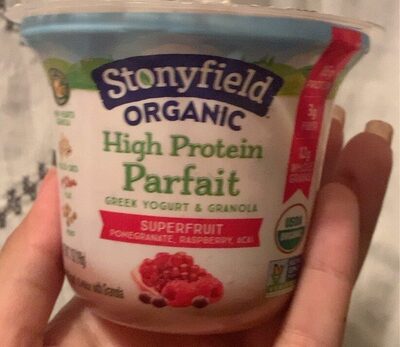
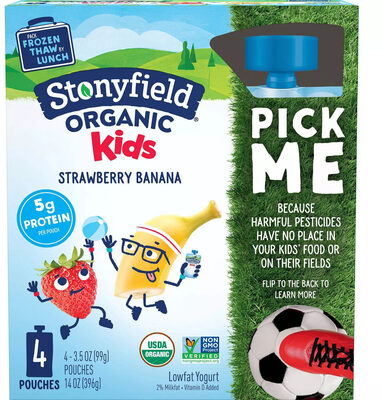
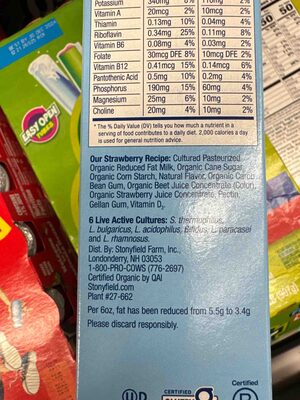
Learn more
Auto-generated content. This description was generated automatically and is pending editorial review. Inaccuracies are possible. Found a mistake? Contact us.