Cultures Cream
Auto-generated content. This description was generated automatically and is pending editorial review. Inaccuracies are possible. Found a mistake? Contact us.
What it is
Cultures cream, also known as cultured cream, is a dairy product made by adding a starter culture of lactic acid bacteria to pasteurized cream. The bacteria ferment the lactose (sugar) in the cream, producing lactic acid, which thickens the cream and gives it a tangy flavor similar to sour cream. It is a traditional ingredient in many European countries.
Why it's used
Manufacturers use cultured cream as a flavoring agent and a source of richness in a variety of foods. Its creamy texture and tangy taste make it a popular ingredient in dips, spreads, salad dressings, and baked goods. It is also used as a topping for savory dishes and in some snack foods like chips and pretzels.
Health notes
Cultured cream is generally recognized as safe (GRAS) by the FDA when used as a food ingredient. It is a source of calcium and protein. International bodies like JECFA have evaluated similar dairy products. Evidence does not suggest adverse health effects from consuming cultured cream in typical amounts as part of a balanced diet.
Allergen info
Cultured cream is derived from milk and is therefore a major allergen. It does not contain gluten.
Products containing Cultures Cream
Compare products →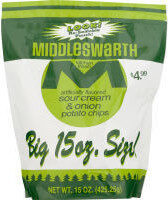 Ira Middleswarth & Son Inc
Potato Chips, Sour Cream & Onion
536kcal
7.1Protein
32.1Fat
53.6Carbs
Ira Middleswarth & Son Inc
Potato Chips, Sour Cream & Onion
536kcal
7.1Protein
32.1Fat
53.6Carbs
Ira Middleswarth & Son Inc
Potato Chips, Sour Cream & Onion
536kcal
7.1Protein
32.1Fat
53.6Carbs
Ira Middleswarth & Son Inc
Potato Chips, Sour Cream & Onion
536kcal
7.1Protein
32.1Fat
53.6Carbs