Cured With Salt
What is Cured With Salt?
Salt is a mineral compound, sodium chloride, found naturally in seawater and underground deposits. "Curing with salt" is a traditional food preservation method where salt is applied to food. This process draws out moisture and inhibits the growth of spoilage microorganisms.
Is Cured With Salt vegan?
Cured With Salt is not animal-derived. Products that contain it can still include other animal-derived ingredients, so check the full ingredient list.
Is Cured With Salt a major allergen?
Not a major allergen.
What is Cured With Salt used for?
Manufacturers use salt in curing primarily to preserve foods by reducing water activity.
Is Cured With Salt safe?
Salt (sodium chloride) is generally recognized as safe (GRAS) by the U.S. Food and Drug Administration (FDA).
Why it's used
Manufacturers use salt in curing primarily to preserve foods by reducing water activity. It also enhances flavor and contributes to the texture of cured products. This method is common in foods like cured meats (e.g., bacon, ham, salami) and some fish.
Health notes
Salt (sodium chloride) is generally recognized as safe (GRAS) by the U.S. Food and Drug Administration (FDA). While essential for bodily functions, consuming too much sodium can contribute to high blood pressure in some individuals. The FDA Daily Value for sodium is 2,300 mg. There are no specific JECFA or EFSA evaluations for salt as a food additive with an ADI, as it is a fundamental nutrient.
Allergen info
Not a major allergen.
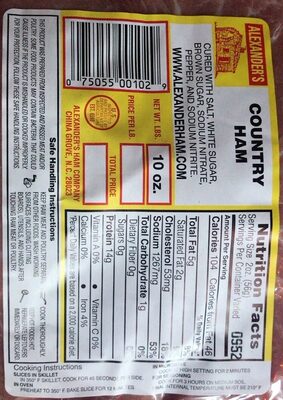
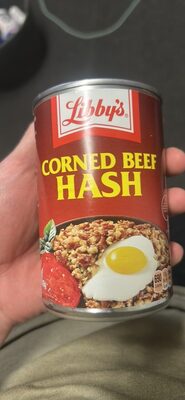
Foods that contain Cured With Salt
Compare products →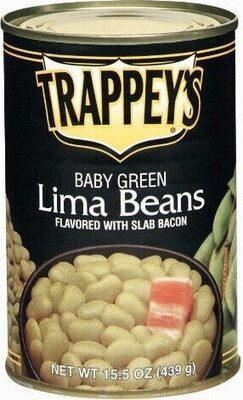
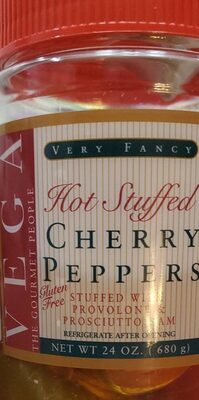
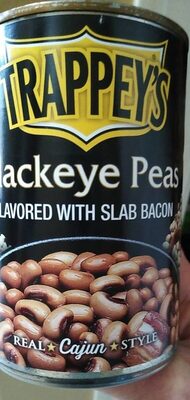
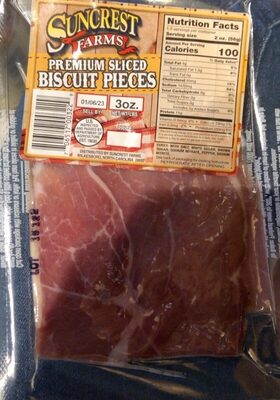


Learn more
Auto-generated content. This description was generated automatically and is pending editorial review. Inaccuracies are possible. Found a mistake? Contact us.