Cyclodextrin
What is Cyclodextrin?
Cyclodextrins are a family of cyclic oligosaccharides, which are sugar molecules linked together in a ring. They are produced from starch, typically corn starch, through an enzymatic process. This process converts the starch into ring-shaped molecules with a hollow center.
Is Cyclodextrin vegan?
Cyclodextrin is not animal-derived. Products that contain it can still include other animal-derived ingredients, so check the full ingredient list.
Is Cyclodextrin gluten-free?
They do not contain gluten.
Is Cyclodextrin a major allergen?
Cyclodextrins are derived from starch, usually corn, and are not one of the nine major allergens.
What is Cyclodextrin used for?
Manufacturers use cyclodextrins to improve the stability and solubility of other ingredients.
Is Cyclodextrin safe?
In the U.S., cyclodextrins are generally recognized as safe (GRAS) by the FDA for use in food.
Why it's used
Manufacturers use cyclodextrins to improve the stability and solubility of other ingredients. They can help to encapsulate flavors, reduce bitterness, prevent oxidation, and extend shelf life. Cyclodextrins are found in a variety of foods, including baked goods, snacks, and sauces.
Health notes
In the U.S., cyclodextrins are generally recognized as safe (GRAS) by the FDA for use in food. They are not absorbed in the same way as other sugars and are largely fermented by gut bacteria. International bodies like JECFA and EFSA have evaluated cyclodextrins, and their safety has been affirmed.
Allergen info
Cyclodextrins are derived from starch, usually corn, and are not one of the nine major allergens. They do not contain gluten.
Foods that contain Cyclodextrin
Compare products →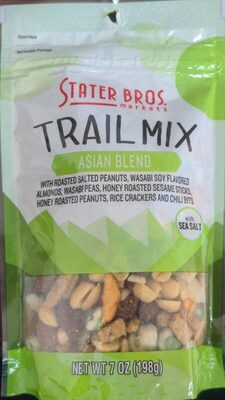


Auto-generated content. This description was generated automatically and is pending editorial review. Inaccuracies are possible. Found a mistake? Contact us.