Cysteine Hydrochloride
Auto-generated content. This description was generated automatically and is pending editorial review. Inaccuracies are possible. Found a mistake? Contact us.
What it is
Cysteine hydrochloride is a salt form of the amino acid cysteine. It is often produced commercially through the hydrolysis of animal hair or feathers, though it can also be synthesized. It is used as a dough conditioner and flavoring agent.
Why it's used
Manufacturers add cysteine hydrochloride to baked goods to improve dough texture and volume, making it easier to work with. It can also be used to enhance meaty flavors in processed foods. It is commonly found in bread, pizza dough, and some savory snacks.
Health notes
Cysteine hydrochloride is generally recognized as safe (GRAS) by the FDA for use in food. It is a source of the amino acid cysteine, which plays a role in protein synthesis. International bodies like JECFA have evaluated cysteine and its salts, and have established acceptable daily intake levels. Evidence does not suggest adverse health effects from typical dietary intake.
Allergen info
Cysteine hydrochloride is not derived from any of the nine major allergens recognized by the FDA. It does not contain gluten.
Products containing Cysteine Hydrochloride
Compare products →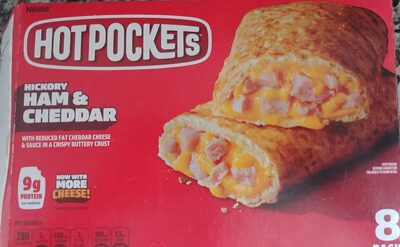 Nestle USA Inc.
Crispy Buttery Crust Hickory Ham & Cheddar, Crispy Buttery Crust
High in sodium — 30% DV per serving
High in saturated fat — 20% DV per serving
213kcal
7.1Protein
7.1Fat
30.7Carbs
America's Bakery
Bread Crumbs
385kcal
12.8Protein
3.9Fat
74.4Carbs
Nestle USA Inc.
Crispy Buttery Crust Hickory Ham & Cheddar, Crispy Buttery Crust
High in sodium — 30% DV per serving
High in saturated fat — 20% DV per serving
213kcal
7.1Protein
7.1Fat
30.7Carbs
America's Bakery
Bread Crumbs
385kcal
12.8Protein
3.9Fat
74.4Carbs