Dehydrated Seaweed
What is Dehydrated Seaweed?
Dehydrated seaweed is dried seaweed, a type of marine algae. It is harvested from the ocean and then dried to preserve it and concentrate its flavor. Different varieties of seaweed, like nori, kombu, and wakame, are used.
Is Dehydrated Seaweed vegan?
Dehydrated Seaweed is not animal-derived. Products that contain it can still include other animal-derived ingredients, so check the full ingredient list.
Is Dehydrated Seaweed gluten-free?
It does not contain gluten.
Is Dehydrated Seaweed a major allergen?
Seaweed is not one of the 9 FDA major allergens.
What is Dehydrated Seaweed used for?
Manufacturers use dehydrated seaweed as a flavoring agent and a source of umami in many foods.
Is Dehydrated Seaweed safe?
Dehydrated seaweed is generally recognized as safe (GRAS) by the FDA for use in food.
Why it's used
Manufacturers use dehydrated seaweed as a flavoring agent and a source of umami in many foods. It is often found in seasoning mixes, salts, marinades, and soups. It can also be used as a thickener or to add a unique texture.
Health notes
Dehydrated seaweed is generally recognized as safe (GRAS) by the FDA for use in food. It is a natural source of various minerals, including iodine. While generally safe, excessive iodine intake can affect thyroid function. JECFA has evaluated seaweed and its extracts. Typical consumption as a food ingredient is not associated with adverse health effects.
Allergen info
Seaweed is not one of the 9 FDA major allergens. It does not contain gluten.
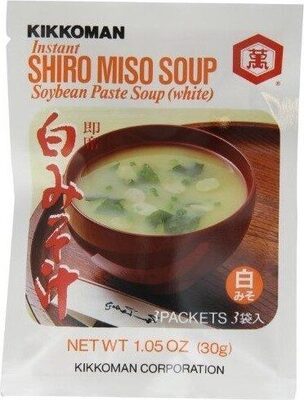
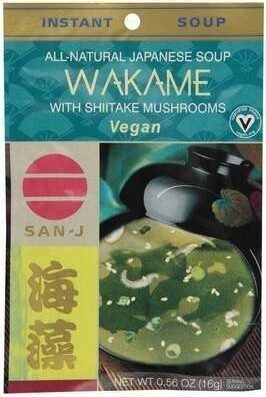
Foods that contain Dehydrated Seaweed
Compare products →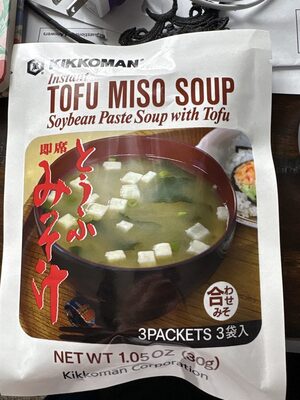
Auto-generated content. This description was generated automatically and is pending editorial review. Inaccuracies are possible. Found a mistake? Contact us.