Dehydrated Whey
What is Dehydrated Whey?
Dehydrated whey is a byproduct of cheesemaking. It is made by removing water from liquid whey, a greenish liquid that separates from milk curds during cheese production. The resulting powder is rich in lactose, protein, and minerals.
Is Dehydrated Whey vegan?
No. Dehydrated Whey is animal-derived, so it is not vegan.
Is Dehydrated Whey gluten-free?
It does not contain gluten.
Is Dehydrated Whey a major allergen?
Dehydrated whey is derived from milk, which is one of the 9 FDA major allergens.
What is Dehydrated Whey used for?
Manufacturers use dehydrated whey as a flavoring agent, a source of protein, and to improve texture and browning in foods.
Is Dehydrated Whey safe?
In the U.S., dehydrated whey is generally recognized as safe (GRAS) by the FDA for use as a food ingredient.
Why it's used
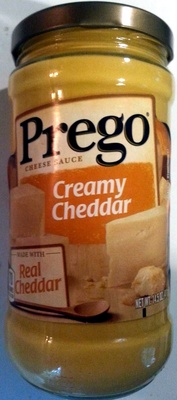
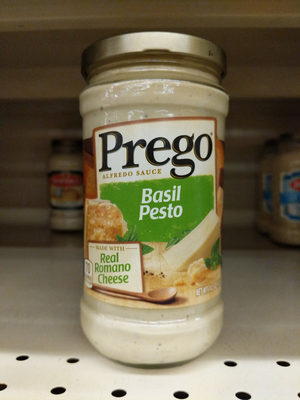
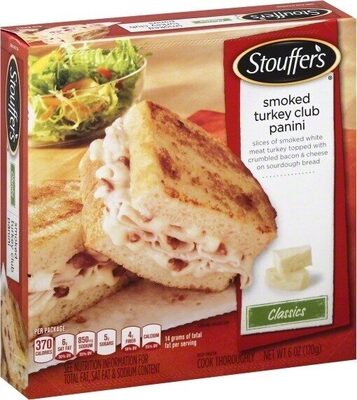
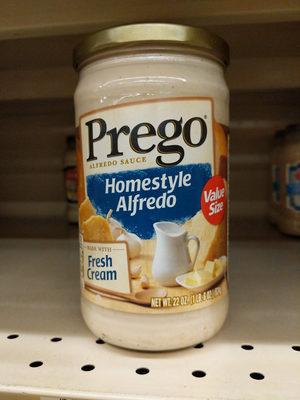
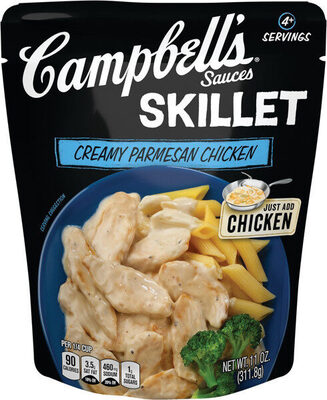
Manufacturers use dehydrated whey as a flavoring agent, a source of protein, and to improve texture and browning in foods. It is commonly found in sauces, soups, baked goods, snacks like chips and pretzels, and processed meats.
Health notes
In the U.S., dehydrated whey is generally recognized as safe (GRAS) by the FDA for use as a food ingredient. Regulatory bodies like JECFA and EFSA have evaluated whey and its components. Typical consumption levels in food are not associated with adverse health effects. Research on whey protein suggests potential benefits for muscle growth and repair, but more study is needed.
Allergen info
Dehydrated whey is derived from milk, which is one of the 9 FDA major allergens. It does not contain gluten.
Foods that contain Dehydrated Whey
Compare products →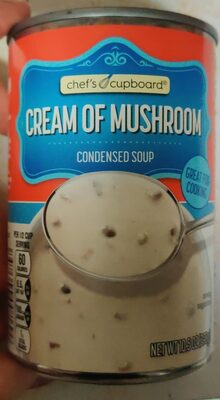


Learn more
Auto-generated content. This description was generated automatically and is pending editorial review. Inaccuracies are possible. Found a mistake? Contact us.