Diced Provolone Cheese
What is Diced Provolone Cheese?
Provolone is a semi-hard Italian cheese made from cow's milk. It is produced in the southern part of Italy and is known for its smooth texture and mild, slightly smoky flavor. The cheese is formed into a ball or sausage shape and then aged for at least two months.
Is Diced Provolone Cheese vegan?
No. Diced Provolone Cheese is animal-derived, so it is not vegan.
Is Diced Provolone Cheese gluten-free?
It does not contain gluten.
Is Diced Provolone Cheese a major allergen?
Provolone cheese is derived from milk, which is one of the nine FDA major allergens.
What is Diced Provolone Cheese used for?
Manufacturers add provolone cheese for its distinct flavor and melting properties.
Is Diced Provolone Cheese safe?
Provolone cheese is a source of protein and calcium.
Why it's used
Manufacturers add provolone cheese for its distinct flavor and melting properties. It is commonly used in pizzas, sandwiches, and pasta dishes. Its firm texture makes it suitable for slicing and grating.
Health notes
Provolone cheese is a source of protein and calcium. Like other dairy products, it contains saturated fat and sodium. The FDA considers cheese to be generally recognized as safe (GRAS) when used as intended. International bodies like JECFA and EFSA have evaluated cheese and dairy products, but specific numeric limits for provolone are not typically set.
Allergen info
Provolone cheese is derived from milk, which is one of the nine FDA major allergens. It does not contain gluten.
Foods that contain Diced Provolone Cheese
Compare products →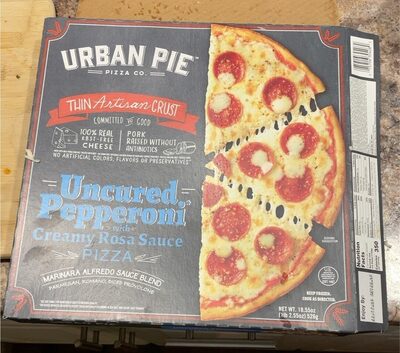
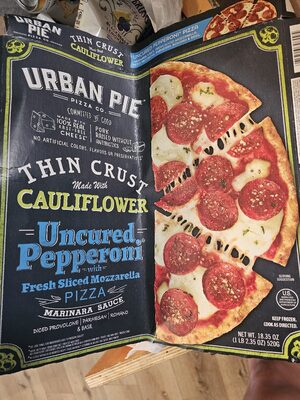
Learn more
Auto-generated content. This description was generated automatically and is pending editorial review. Inaccuracies are possible. Found a mistake? Contact us.