Dimethylpolysiloxane Added To Reduce Foaming
Auto-generated content. This description was generated automatically and is pending editorial review. Inaccuracies are possible. Found a mistake? Contact us.
What it is
Dimethylpolysiloxane is a synthetic polymer made from silicon, oxygen, carbon, and hydrogen. It is a clear, odorless liquid that is often used as an anti-foaming agent. It is produced through a chemical process involving silicones.
Why it's used
Manufacturers add dimethylpolysiloxane to foods to prevent foaming during processing, especially in products like fried foods and jams. It helps maintain product consistency and appearance by reducing the formation of bubbles. It is commonly found in frozen appetizers, baked goods, and some processed meats.
Health notes
In the U.S., dimethylpolysiloxane is generally recognized as safe (GRAS) by the FDA for use as an anti-foaming agent. International bodies like JECFA have also evaluated it. Studies on typical consumption levels have not shown adverse health effects. It is not known to be absorbed by the body in significant amounts.
Allergen info
Not a major allergen. It does not contain any of the nine major allergens recognized by the FDA, nor does it contain gluten.
Products containing Dimethylpolysiloxane Added To Reduce Foaming
Compare products →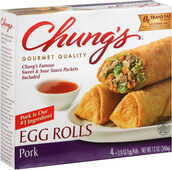 Chung's Foods, Inc.
Chung's, Pork Egg Rolls
198kcal
7.0Protein
5.8Fat
27.9Carbs
Ingles Markets Inc.
Pork Egg Roll
198kcal
7.0Protein
5.8Fat
27.9Carbs
Ingles Markets Inc.
White Meat Chicken Egg Roll
High in sodium — 20% DV per serving
186kcal
7.0Protein
4.7Fat
27.9Carbs
Beef House Restaurant
Famous Yeast Rolls
200kcal
6Protein
6.5Fat
50Carbs
Chung's Foods, Inc.
Chung's, Pork Egg Rolls
198kcal
7.0Protein
5.8Fat
27.9Carbs
Ingles Markets Inc.
Pork Egg Roll
198kcal
7.0Protein
5.8Fat
27.9Carbs
Ingles Markets Inc.
White Meat Chicken Egg Roll
High in sodium — 20% DV per serving
186kcal
7.0Protein
4.7Fat
27.9Carbs
Beef House Restaurant
Famous Yeast Rolls
200kcal
6Protein
6.5Fat
50Carbs