Dried Ancho Chili Pepper
What is Dried Ancho Chili Pepper?
The dried ancho chili pepper is the dried form of the poblano pepper. It is a mild to medium-hot chili pepper, originating from Mexico. The peppers are typically sun-dried or mechanically dried.
Is Dried Ancho Chili Pepper vegan?
Dried Ancho Chili Pepper is not animal-derived. Products that contain it can still include other animal-derived ingredients, so check the full ingredient list.
Is Dried Ancho Chili Pepper a major allergen?
Not a major allergen.
What is Dried Ancho Chili Pepper used for?
Dried ancho chili peppers are used to add a smoky, slightly sweet, and complex flavor to foods.
Is Dried Ancho Chili Pepper safe?
The FDA generally recognizes dried chili peppers as safe (GRAS) when used as a food ingredient.
Why it's used
Dried ancho chili peppers are used to add a smoky, slightly sweet, and complex flavor to foods. They are commonly found in Mexican and Tex-Mex cuisine, including sauces, marinades, rubs, and spice blends.
Health notes
The FDA generally recognizes dried chili peppers as safe (GRAS) when used as a food ingredient. They are a source of vitamins and antioxidants. International bodies like JECFA have evaluated chili peppers and their components. Evidence on the health effects of capsaicin, the compound that gives chili peppers their heat, is mixed, with some studies suggesting potential benefits for metabolism and pain relief, while others note potential for gastrointestinal upset in sensitive individuals.
Allergen info
Not a major allergen. It is not derived from any of the nine FDA major allergens.
Foods that contain Dried Ancho Chili Pepper
Compare products →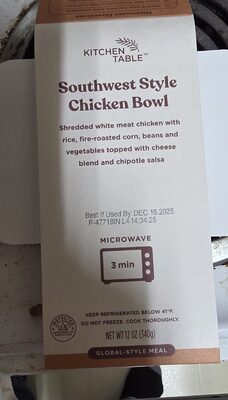
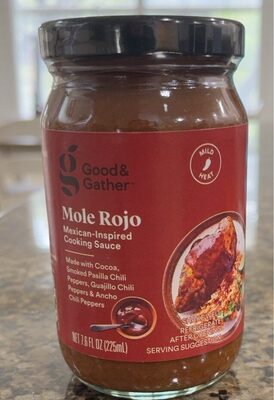
Auto-generated content. This description was generated automatically and is pending editorial review. Inaccuracies are possible. Found a mistake? Contact us.