Dried Cheese Blend
Auto-generated content. This description was generated automatically and is pending editorial review. Inaccuracies are possible. Found a mistake? Contact us.
What it is
A dried cheese blend is made by dehydrating one or more types of cheese. The process removes moisture, creating a shelf-stable powder or granular form. This concentrated form retains the flavor and some of the functional properties of the original cheese.
Why it's used
Manufacturers use dried cheese blends to impart a strong cheese flavor and aroma to foods without adding significant moisture. They are commonly found in snack foods like crackers and chips, as well as in frozen appetizers, sauces, and seasoning mixes. The powder form also makes them easy to incorporate into dry mixes.
Health notes
Dried cheese blends are generally recognized as safe (GRAS) by the FDA when used as intended. They are a source of protein, calcium, and other nutrients found in cheese. Regulatory bodies like JECFA have evaluated similar dairy products, but specific evaluations for 'dried cheese blend' as a distinct ingredient may vary. At typical consumption levels, they do not pose health concerns.
Allergen info
Dried cheese blends are derived from milk and are therefore a major allergen. They may also contain gluten if processed with wheat-containing ingredients.
Products containing Dried Cheese Blend
Compare products →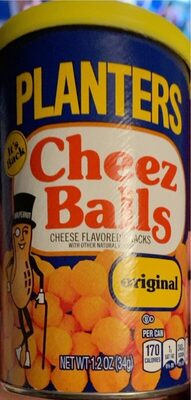 Nabisco Food Company
Original Cheese Flavored Snacks, Original
500kcal
5.9Protein
26.5Fat
61.8Carbs
Nabisco Food Company
Original Cheese Flavored Snacks, Original
500kcal
5.9Protein
26.5Fat
61.8Carbs
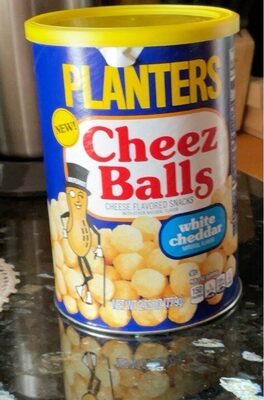 Nabisco Food Company
White Cheddar Cheese Flavored Cheez Balls Snacks, White Cheddar
536kcal
3.6Protein
28.6Fat
57.1Carbs
Nabisco Food Company
Cheese Flavored Snacks Balls, Cheese
500kcal
7.1Protein
28.6Fat
60.7Carbs
Nabisco Food Company
Planters Cheez Balls, 2.75 Oz, Cheese
500kcal
7.1Protein
28.6Fat
60.7Carbs
Nabisco Food Company
Planters Cheez Curls, 4 Oz, Cheese
500kcal
7.1Protein
25Fat
60.7Carbs
Nabisco Food Company
White Cheddar Cheese Flavored Cheez Balls Snacks, White Cheddar
536kcal
3.6Protein
28.6Fat
57.1Carbs
Nabisco Food Company
Cheese Flavored Snacks Balls, Cheese
500kcal
7.1Protein
28.6Fat
60.7Carbs
Nabisco Food Company
Planters Cheez Balls, 2.75 Oz, Cheese
500kcal
7.1Protein
28.6Fat
60.7Carbs
Nabisco Food Company
Planters Cheez Curls, 4 Oz, Cheese
500kcal
7.1Protein
25Fat
60.7Carbs