Dried Parmesan Cheese
What is Dried Parmesan Cheese?
Dried Parmesan cheese is a hard, dry cheese made from cow's milk. It is produced by aging the cheese for at least 10 months, which results in a granular texture and a sharp, nutty flavor. The drying process further concentrates its flavor and extends its shelf life.
Is Dried Parmesan Cheese vegan?
No. Dried Parmesan Cheese is animal-derived, so it is not vegan.
Is Dried Parmesan Cheese gluten-free?
It does not contain gluten.
Is Dried Parmesan Cheese a major allergen?
Dried Parmesan cheese is derived from milk, which is one of the nine major allergens recognized by the FDA.
What is Dried Parmesan Cheese used for?
Manufacturers use dried Parmesan cheese primarily as a flavoring ingredient.
Is Dried Parmesan Cheese safe?
Dried Parmesan cheese is generally recognized as safe (GRAS) by the FDA for use in food.
Why it's used
Manufacturers use dried Parmesan cheese primarily as a flavoring ingredient. Its intense, savory taste adds depth to a variety of dishes. It is commonly found in pasta sauces, soups, frozen appetizers, breadsticks, and as a topping for salads and baked goods.
Health notes
Dried Parmesan cheese is generally recognized as safe (GRAS) by the FDA for use in food. It is a source of protein, calcium, and other nutrients. International bodies like JECFA and EFSA have evaluated cheese and its components. Like all dairy products, it contains lactose and is high in sodium, which may be a concern for individuals managing blood pressure.
Allergen info
Dried Parmesan cheese is derived from milk, which is one of the nine major allergens recognized by the FDA. It does not contain gluten.
Foods that contain Dried Parmesan Cheese
Compare products →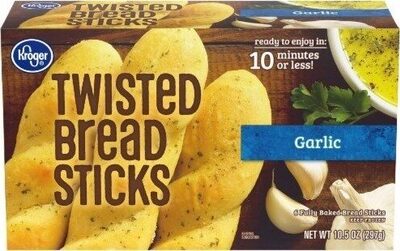
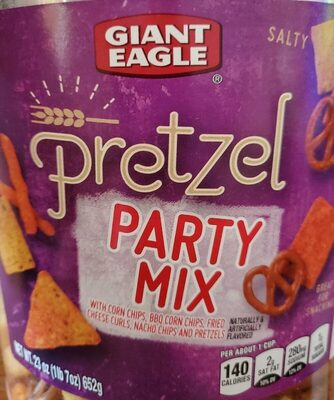
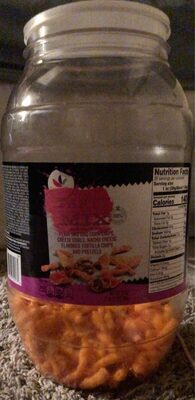
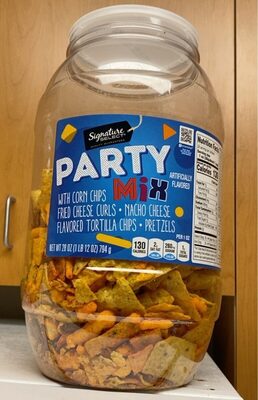
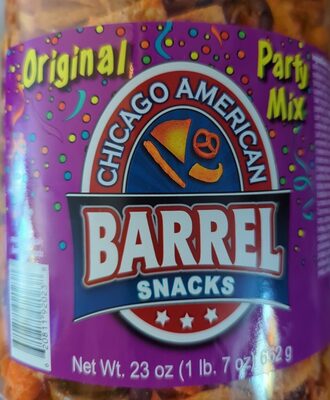
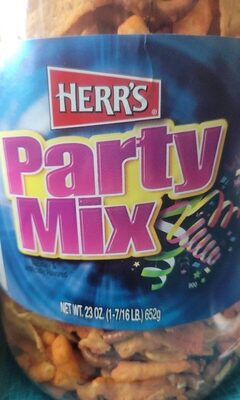
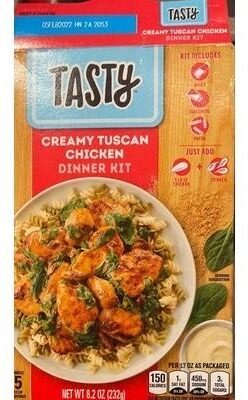
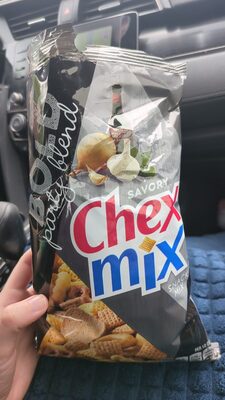
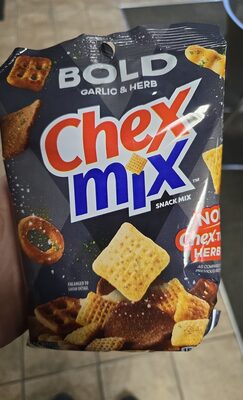
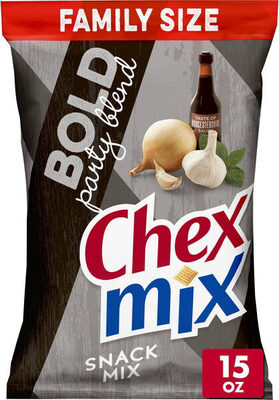 Chex Mix
 Bold Party Blend Savory Snack Mix Family Size
419kcal
8.5Protein
10.7Fat
76.0Carbs
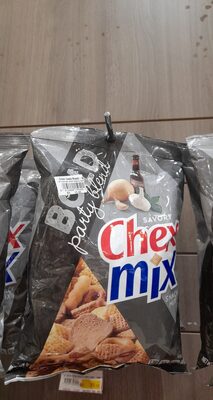
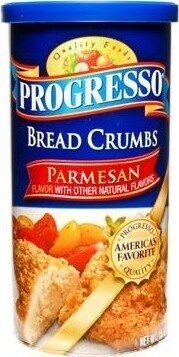
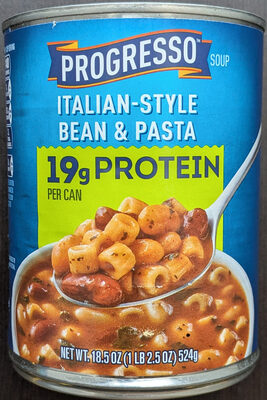
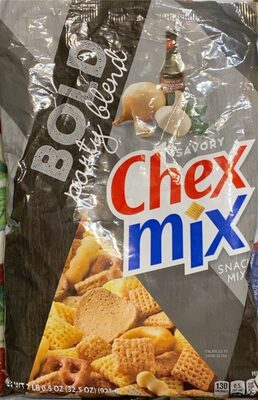
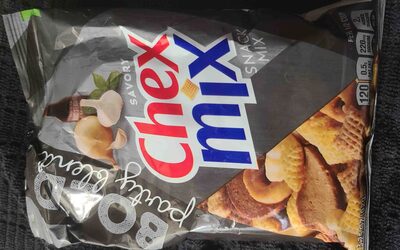
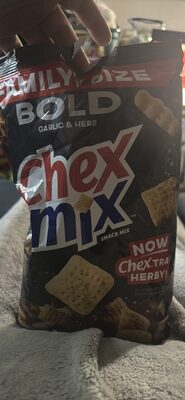 Chex Mix
 Savory Bold Party Blend Snack Mix Family Size
441kcal
8.8Protein
11.8Fat
73.5Carbs
Learn more
Auto-generated content. This description was generated automatically and is pending editorial review. Inaccuracies are possible. Found a mistake? Contact us.