Dry Mango Powder
What is Dry Mango Powder?
Dry mango powder, also called amchur, is made from dried, unripe green mangoes. The unripe mangoes are typically sliced, sun-dried, and then ground into a fine powder. It has a tart, fruity flavor.
Is Dry Mango Powder vegan?
Dry Mango Powder is not animal-derived. Products that contain it can still include other animal-derived ingredients, so check the full ingredient list.
Is Dry Mango Powder gluten-free?
It is gluten-free.
Is Dry Mango Powder a major allergen?
Dry mango powder is not derived from any of the nine major allergens.
What is Dry Mango Powder used for?
Manufacturers use dry mango powder as a souring agent and flavor enhancer, similar to lemon or vinegar but with a distinct fruity note.
Is Dry Mango Powder safe?
Dry mango powder is generally recognized as safe (GRAS) by the FDA for use as a food ingredient.
Why it's used
Manufacturers use dry mango powder as a souring agent and flavor enhancer, similar to lemon or vinegar but with a distinct fruity note. It is commonly found in Indian spice blends, marinades, chutneys, and savory dishes like curries and lentil preparations.
Health notes
Dry mango powder is generally recognized as safe (GRAS) by the FDA for use as a food ingredient. It is primarily a source of flavor and does not have specific regulatory limits for intake. International bodies like JECFA have evaluated it. Evidence does not suggest adverse health effects from typical consumption as a food ingredient.
Allergen info
Dry mango powder is not derived from any of the nine major allergens. It is gluten-free.
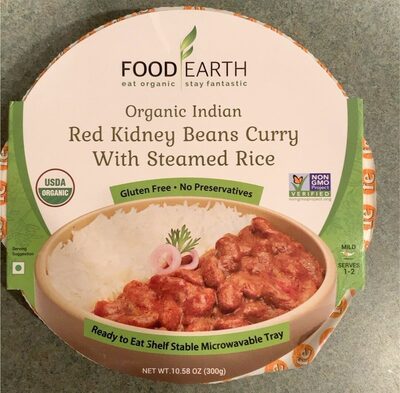
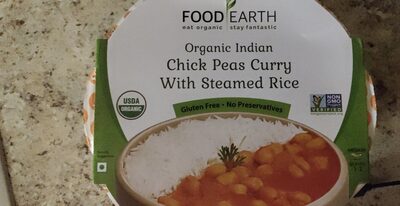
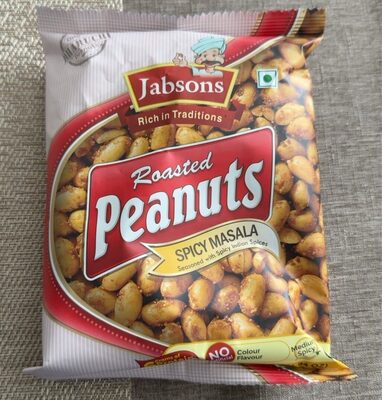
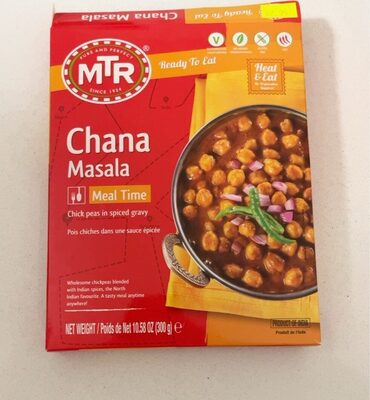
Foods that contain Dry Mango Powder
Compare products →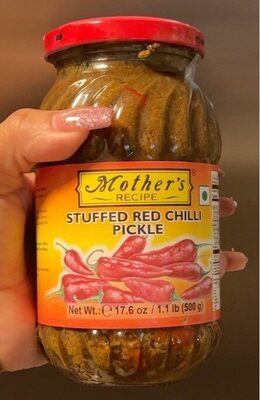
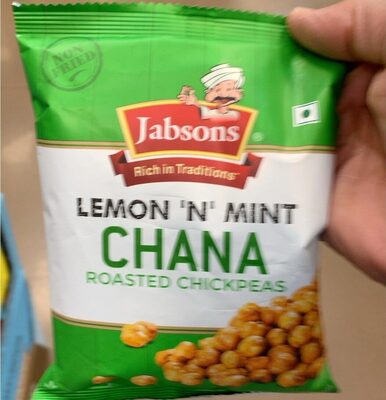
Auto-generated content. This description was generated automatically and is pending editorial review. Inaccuracies are possible. Found a mistake? Contact us.