Dry Sweet Whey
Auto-generated content. This description was generated automatically and is pending editorial review. Inaccuracies are possible. Found a mistake? Contact us.
What it is
Dry sweet whey is a byproduct of cheesemaking. It is the liquid remaining after milk has been curdled and strained. The liquid is then pasteurized, concentrated, and dried into a powder.
Why it's used
Manufacturers add dry sweet whey as a source of lactose, protein, and minerals. It can also act as a sweetener, browning agent, and emulsifier in baked goods, dairy products, and processed meats.
Health notes
Dry sweet whey is generally recognized as safe (GRAS) by the FDA. It is a source of protein and calcium. The Joint FAO/WHO Expert Committee on Food Additives (JECFA) has evaluated whey proteins, and the European Food Safety Authority (EFSA) has also assessed whey. Evidence does not suggest adverse health effects from typical dietary intake.
Allergen info
Dry sweet whey is derived from milk, which is one of the 9 FDA major allergens. It does not contain gluten.
Products containing Dry Sweet Whey
Compare products →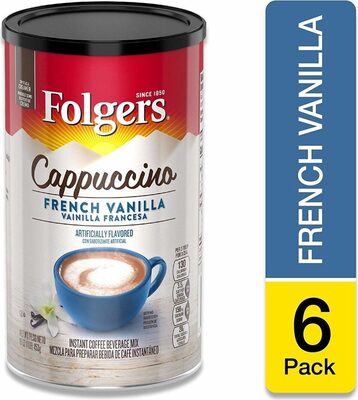 The J.M. Smucker Company
French Vanilla Cappuccino Instant Coffee Beverage Mix, French Vanilla
High in saturated fat — 20% DV per serving
High in added sugars — 36% DV per serving
424kcal
3.0Protein
12.1Fat
78.8Carbs
The J.M. Smucker Company
French Vanilla Cappuccino Instant Coffee Beverage Mix, French Vanilla
High in saturated fat — 20% DV per serving
High in added sugars — 36% DV per serving
424kcal
3.0Protein
12.1Fat
78.8Carbs
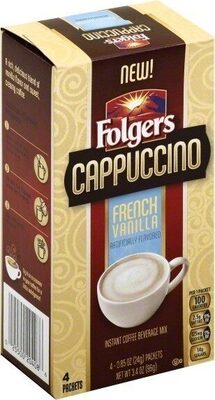 The J.M. Smucker Company
French Vanilla Cappuccino Instant Coffee Beverage Mix, French Vanilla
High in added sugars — 32% DV per serving
542kcal
4.2Protein
14.6Fat
100Carbs
The J.M. Smucker Company
French Vanilla Cappuccino Instant Coffee Beverage Mix, French Vanilla
High in added sugars — 32% DV per serving
542kcal
4.2Protein
14.6Fat
100Carbs