Dry
What is Dry?
Dry is a term used on ingredient labels to indicate that a product contains no liquid. It often refers to dehydrated or dried forms of ingredients, such as dried vegetables, herbs, or spices, that have had most of their water content removed. This process is done to extend shelf life and concentrate flavor.
Is Dry a major allergen?
This depends on the specific dry ingredients used.
What is Dry used for?
Manufacturers use dry ingredients to add flavor, texture, and visual appeal to a wide range of products without adding moisture.
Is Dry safe?
The FDA considers many dried ingredients to be Generally Recognized As Safe (GRAS) when used as intended.
Why it's used
Manufacturers use dry ingredients to add flavor, texture, and visual appeal to a wide range of products without adding moisture. They are commonly found in dry mixes for soups, sauces, marinades, and side dishes, allowing consumers to reconstitute them with water or other liquids.
Health notes
The FDA considers many dried ingredients to be Generally Recognized As Safe (GRAS) when used as intended. The health implications depend entirely on the specific dry ingredient being used. For example, dried fruits and vegetables are sources of fiber and nutrients. Regulatory bodies like JECFA and EFSA evaluate the safety of food ingredients, but their assessments focus on specific compounds rather than the general term 'dry'.
Allergen info
This depends on the specific dry ingredients used. If the dry product contains dried wheat, soy, or other major allergens, it would be considered an allergen. Always check the ingredient list for specific allergen information.
Foods that contain Dry
Compare products →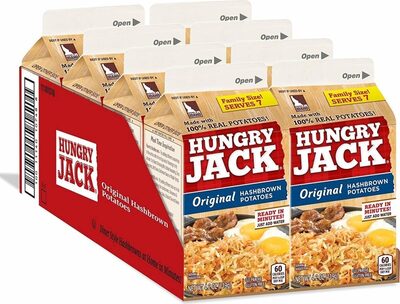
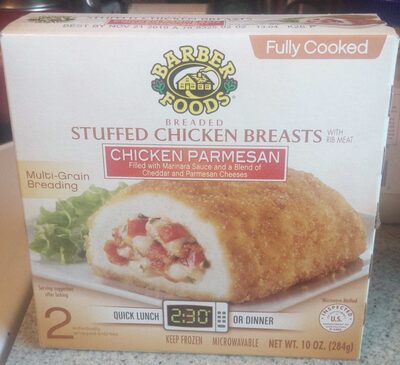

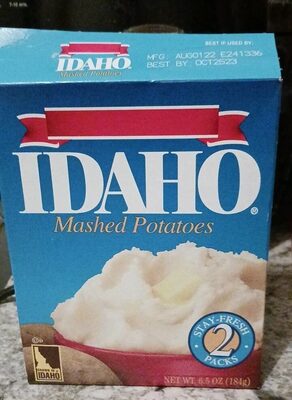
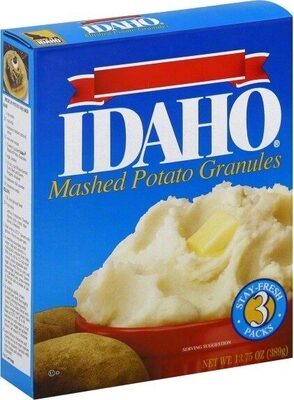

Auto-generated content. This description was generated automatically and is pending editorial review. Inaccuracies are possible. Found a mistake? Contact us.