Duck Fat
What is Duck Fat?
Duck fat is the rendered fat of ducks. It has a rich, savory flavor and a high smoke point, making it suitable for various cooking methods. It is often used in traditional European cuisine.
Is Duck Fat vegan?
No. Duck Fat is animal-derived, so it is not vegan.
Is Duck Fat gluten-free?
It does not contain gluten.
Is Duck Fat a major allergen?
Duck fat is not derived from one of the nine FDA major allergens.
What is Duck Fat used for?
Manufacturers use duck fat for its flavor and cooking properties.
Is Duck Fat safe?
Duck fat is recognized as a source of fat and calories.
Why it's used
Manufacturers use duck fat for its flavor and cooking properties. It adds a distinct richness to foods and can be used for frying, roasting, or as a spread. It is commonly found in savory dishes, baked goods, and snacks.
Health notes
Duck fat is recognized as a source of fat and calories. The U.S. Food and Drug Administration (FDA) has not specifically evaluated duck fat as a food additive, but it is generally considered safe when used as a food ingredient. International bodies like the European Food Safety Authority (EFSA) have evaluated fats and oils in general, but specific evaluations of duck fat's health effects at typical consumption levels are limited. Like other animal fats, it is high in saturated fat, and dietary guidelines recommend limiting saturated fat intake.
Allergen info
Duck fat is not derived from one of the nine FDA major allergens. It does not contain gluten.
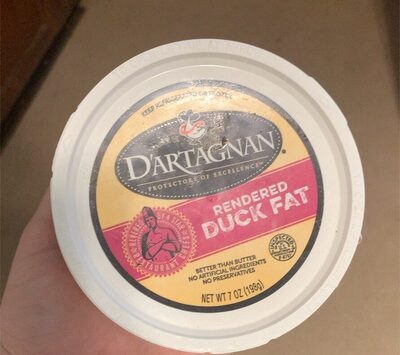
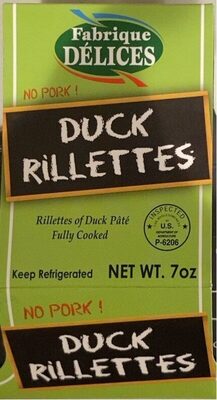
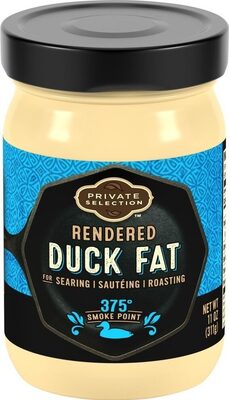
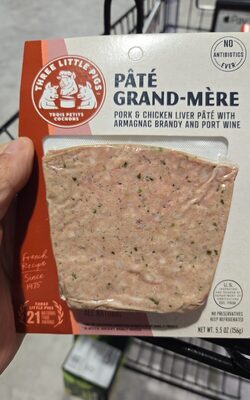
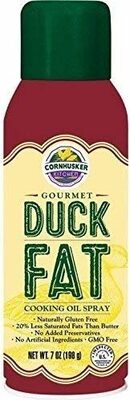
Foods that contain Duck Fat
Compare products →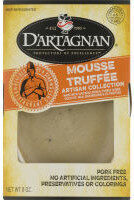
Learn more
Auto-generated content. This description was generated automatically and is pending editorial review. Inaccuracies are possible. Found a mistake? Contact us.