Emmentaler Cheese
What is Emmentaler Cheese?
Emmentaler is a hard, pale-yellow Swiss cheese known for its distinctive large holes, called 'eyes'. It is made from cow's milk and has a nutty, slightly sweet flavor. The cheese is produced in large wheels and aged for several months.
Is Emmentaler Cheese vegan?
No. Emmentaler Cheese is animal-derived, so it is not vegan.
Is Emmentaler Cheese gluten-free?
It does not contain gluten.
Is Emmentaler Cheese a major allergen?
Emmentaler cheese is derived from cow's milk, which is one of the FDA's 9 major allergens.
What is Emmentaler Cheese used for?
Emmentaler is often used as a table cheese for snacking and in cheese platters.
Is Emmentaler Cheese safe?
Emmentaler cheese is a natural food ingredient and is generally recognized as safe (GRAS) by the FDA.
Why it's used
Emmentaler is often used as a table cheese for snacking and in cheese platters. Its melting properties make it ideal for cooked dishes like gratins, fondues, and sandwiches, adding a rich, nutty flavor. It is also found in baked goods like crackers and pizza.
Health notes
Emmentaler cheese is a natural food ingredient and is generally recognized as safe (GRAS) by the FDA. It is a source of protein, calcium, and other nutrients. Regulatory bodies like JECFA and EFSA have evaluated cheese and dairy products, generally finding them safe for consumption within a balanced diet. As with all dairy products, moderation is advised due to fat and sodium content.
Allergen info
Emmentaler cheese is derived from cow's milk, which is one of the FDA's 9 major allergens. It does not contain gluten.
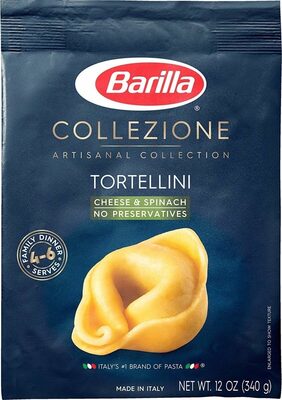
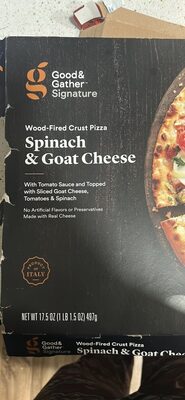
Foods that contain Emmentaler Cheese
Compare products →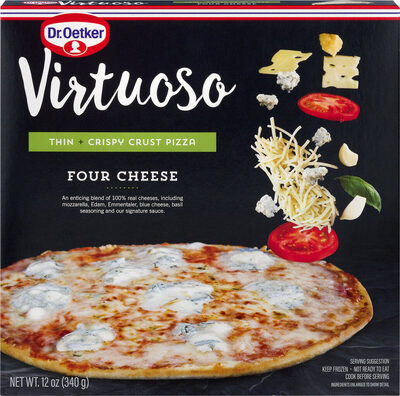
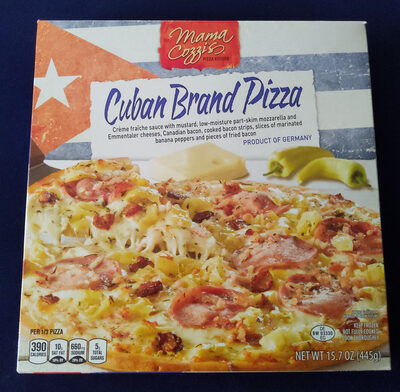
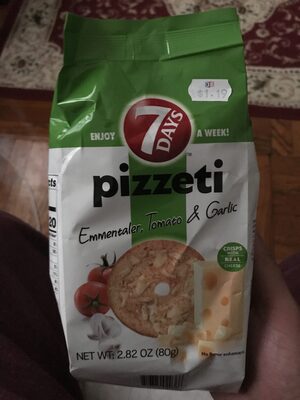

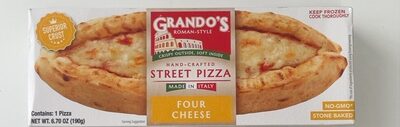

Learn more
Auto-generated content. This description was generated automatically and is pending editorial review. Inaccuracies are possible. Found a mistake? Contact us.