Enriched Bread
Auto-generated content. This description was generated automatically and is pending editorial review. Inaccuracies are possible. Found a mistake? Contact us.
What it is
Enriched bread is a type of bread where specific nutrients that were lost during processing (like baking) are added back in. These nutrients often include B vitamins (such as thiamin, riboflavin, niacin, and folic acid) and iron. The enrichment process helps to restore the nutritional value of the refined flour used to make the bread.
Why it's used
Manufacturers use enriched bread as a base ingredient in a variety of products, providing structure, flavor, and a source of carbohydrates. It is commonly found in baked goods like bread crumbs, croutons, and as a component in prepared foods such as sandwiches and stuffing mixes. The added nutrients can also be a selling point for consumers seeking fortified foods.
Health notes
Enriched flour and bread are considered safe by the FDA. The added nutrients are essential for various bodily functions. For example, folic acid is important for cell growth, and iron is crucial for oxygen transport in the blood. Regulatory bodies like JECFA and EFSA have evaluated many of the added vitamins and minerals, generally finding them safe when consumed within typical dietary levels. Evidence does not suggest adverse effects from consuming enriched bread at normal levels.
Allergen info
Enriched bread is made from wheat flour, making it a source of gluten. Wheat is one of the 9 FDA major allergens. Consumers with celiac disease or gluten sensitivity should avoid this product.
Products containing Enriched Bread
Compare products →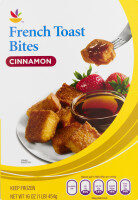 Ahold USA, Inc.
French Toast Bites, Cinnamon
High in added sugars — 34% DV per serving
300kcal
4.5Protein
13.6Fat
40Carbs
George DeLallo Co., Inc.
Traditional Breadcrumbs, Hot & Spicy
367kcal
13.3Protein
3.3Fat
70Carbs
Ahold USA, Inc.
French Toast Bites, Cinnamon
High in added sugars — 34% DV per serving
300kcal
4.5Protein
13.6Fat
40Carbs
George DeLallo Co., Inc.
Traditional Breadcrumbs, Hot & Spicy
367kcal
13.3Protein
3.3Fat
70Carbs