Enriched Flour Blend
Auto-generated content. This description was generated automatically and is pending editorial review. Inaccuracies are possible. Found a mistake? Contact us.
What it is
Enriched flour blend is a mixture of refined wheat flour and other ingredients added to replace nutrients lost during processing. The base is typically refined wheat flour, which has had the bran and germ removed. Vitamins and minerals like iron, thiamin, riboflavin, niacin, folic acid, and sometimes calcium are added back.
Why it's used
Manufacturers use enriched flour blends to improve the nutritional profile of baked goods and other processed foods. They are a common ingredient in breads, cereals, pasta, and baked goods like cakes and cookies, helping to restore essential nutrients lost during the milling process.
Health notes
Enriched flour is considered safe by the FDA and is a common ingredient in the US food supply. The added nutrients contribute to meeting daily requirements for certain vitamins and minerals. The World Health Organization (WHO) has evaluated enrichment practices, recommending them as a public health strategy to prevent nutrient deficiencies. Evidence does not suggest adverse health effects from typical consumption of enriched flour.
Allergen info
Enriched flour is derived from wheat, which is one of the nine FDA major allergens. It also contains gluten, a protein found in wheat that can cause adverse reactions in individuals with celiac disease or non-celiac gluten sensitivity.
Products containing Enriched Flour Blend
Compare products →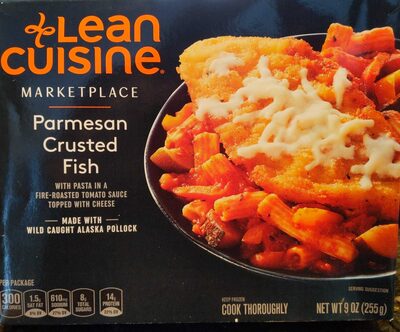 Nestle Usa-Frozen Food Division
Parmesan Crusted Fish With Pasta In A Fire-Roasted Tomato Sauce Topped With Cheese, Parmesan Crusted
High in sodium — 26% DV per serving
118kcal
5.5Protein
2.8Fat
18.0Carbs
The Original Miami Onion Roll Company
Miami Onion Roll Company Challah Bread, 16 Oz
263kcal
8.8Protein
3.5Fat
49.1Carbs
jack bakes inc.
Rise And Bake Challah Bread
263kcal
8.8Protein
3.5Fat
47.4Carbs
Nestle Usa-Frozen Food Division
Parmesan Crusted Fish With Pasta In A Fire-Roasted Tomato Sauce Topped With Cheese, Parmesan Crusted
High in sodium — 26% DV per serving
118kcal
5.5Protein
2.8Fat
18.0Carbs
The Original Miami Onion Roll Company
Miami Onion Roll Company Challah Bread, 16 Oz
263kcal
8.8Protein
3.5Fat
49.1Carbs
jack bakes inc.
Rise And Bake Challah Bread
263kcal
8.8Protein
3.5Fat
47.4Carbs