Enriched Semolina
Auto-generated content. This description was generated automatically and is pending editorial review. Inaccuracies are possible. Found a mistake? Contact us.
What it is
Semolina is a coarse flour made from durum wheat, a hard variety of wheat. It is often enriched with B vitamins (thiamin, riboflavin, niacin, folic acid) and iron, which are lost during the milling process. This enrichment helps to restore the nutritional value of the flour.
Why it's used
Enriched semolina is primarily used to make pasta, couscous, and some types of bread. Its firm texture and golden color make it ideal for producing pasta that holds its shape well during cooking. It is also used in some baked goods and breakfast cereals.
Health notes
Enriched semolina is considered a grain product and a source of carbohydrates and some micronutrients. The FDA lists enriched semolina as Generally Recognized As Safe (GRAS) for its intended use in food. JECFA has evaluated semolina and did not set a numeric limit (ADI not specified). It is a common ingredient in the American diet, and typical consumption levels are not associated with adverse health effects.
Allergen info
Enriched semolina is derived from wheat, which is one of the FDA's 9 major allergens. It contains gluten.
Products containing Enriched Semolina
Compare products →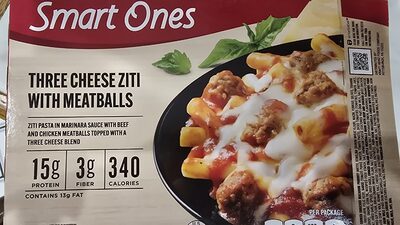 H.J. Heinz Company
Three Cheese Ziti With Meatballs
High in sodium — 30% DV per serving
High in saturated fat — 25% DV per serving
133kcal
5.9Protein
5.1Fat
15.3Carbs
H.J. Heinz Company
Three Cheese Ziti With Meatballs
High in sodium — 30% DV per serving
High in saturated fat — 25% DV per serving
133kcal
5.9Protein
5.1Fat
15.3Carbs
 H.J. Heinz Company
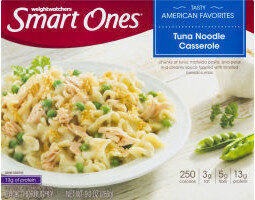
Tuna Noodle Casserole
High in sodium — 25% DV per serving
106kcal
5.5Protein
1.4Fat
18.0Carbs
H.J. Heinz Company
Tuna Noodle Casserole
High in sodium — 25% DV per serving
106kcal
5.5Protein
1.4Fat
18.0Carbs