Enzyme Added To Prevent Caking
Auto-generated content. This description was generated automatically and is pending editorial review. Inaccuracies are possible. Found a mistake? Contact us.
What it is
Enzymes are proteins that speed up chemical reactions. In food, they can be produced by microorganisms like bacteria or fungi through fermentation, or extracted from plant or animal sources. These enzymes are then purified for use in food.
Why it's used
Enzymes are added to prevent caking in powdered or shredded foods, helping them flow freely. They work by modifying the surface properties of food particles. They are often found in shredded cheeses, dried spices, and powdered mixes.
Health notes
Enzymes used as food additives are generally recognized as safe (GRAS) by the FDA. They are typically present in very small amounts and are broken down during digestion. International bodies like JECFA and EFSA have evaluated many food enzymes, generally finding them safe for consumption at typical levels.
Allergen info
Depending on the source, enzymes could potentially be derived from major allergens like milk, soy, or wheat. Manufacturers are required to declare major allergens if they are present in the final product. Gluten may also be a concern if derived from wheat.
Products containing Enzyme Added To Prevent Caking
Compare products →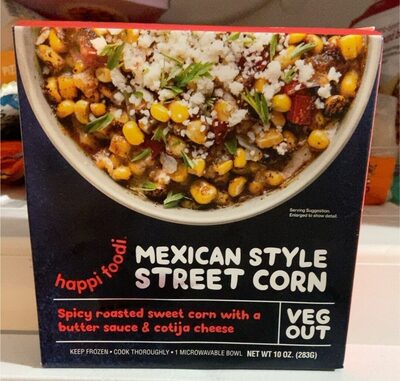 WaffleWaffle, LLC.
Mexican Style Street Corn, Mexican Style
High in saturated fat — 25% DV per serving
181kcal
5.3Protein
9.6Fat
20.2Carbs
Cuatro Cinco Enterprises, LLC
Queso Cotija Cheese, Queso Cotija
High in sodium — 20% DV per serving
High in saturated fat — 25% DV per serving
357kcal
25Protein
28.6Fat
3.6Carbs
Quesadilla
High in saturated fat — 30% DV per serving
357kcal
25Protein
28.6Fat
3.6Carbs
WaffleWaffle, LLC.
Mexican Style Street Corn, Mexican Style
High in saturated fat — 25% DV per serving
181kcal
5.3Protein
9.6Fat
20.2Carbs
Cuatro Cinco Enterprises, LLC
Queso Cotija Cheese, Queso Cotija
High in sodium — 20% DV per serving
High in saturated fat — 25% DV per serving
357kcal
25Protein
28.6Fat
3.6Carbs
Quesadilla
High in saturated fat — 30% DV per serving
357kcal
25Protein
28.6Fat
3.6Carbs