Ethoxylated Monoglycerides
What is Ethoxylated Monoglycerides?
Ethoxylated monoglycerides are a type of emulsifier. They are made by reacting mono- and diglycerides, which are derived from fats and oils, with ethylene oxide.
Is Ethoxylated Monoglycerides vegan?
No. Ethoxylated Monoglycerides is animal-derived, so it is not vegan.
Is Ethoxylated Monoglycerides gluten-free?
They do not contain gluten.
Is Ethoxylated Monoglycerides a major allergen?
Ethoxylated monoglycerides are not derived from any of the 9 FDA major allergens.
What is Ethoxylated Monoglycerides used for?
Manufacturers use ethoxylated monoglycerides to help mix ingredients that normally don't blend well, like oil and water.
Is Ethoxylated Monoglycerides safe?
Ethoxylated monoglycerides are generally recognized as safe (GRAS) by the FDA for use in food.
Why it's used
Manufacturers use ethoxylated monoglycerides to help mix ingredients that normally don't blend well, like oil and water. This improves the texture and shelf life of baked goods such as cakes, muffins, and breads.
Health notes
Ethoxylated monoglycerides are generally recognized as safe (GRAS) by the FDA for use in food. Regulatory bodies like JECFA and EFSA have evaluated emulsifiers, and these compounds are permitted in many countries. Evidence does not suggest adverse health effects from typical consumption levels.
Allergen info
Ethoxylated monoglycerides are not derived from any of the 9 FDA major allergens. They do not contain gluten.
Foods that contain Ethoxylated Monoglycerides
Compare products →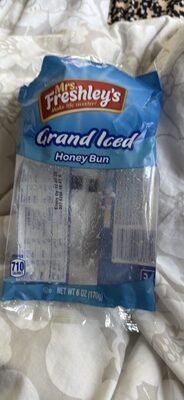
Learn more
Auto-generated content. This description was generated automatically and is pending editorial review. Inaccuracies are possible. Found a mistake? Contact us.