Ewe's Milk
What is Ewe's Milk?
Ewe's milk is milk produced by female sheep (ewes). It is richer and creamier than cow's milk, with higher levels of fat, protein, and lactose. It is typically collected from dairy breeds of sheep raised for milk production.
Is Ewe's Milk vegan?
No. Ewe's Milk is animal-derived, so it is not vegan.
Is Ewe's Milk gluten-free?
It does not contain gluten.
Is Ewe's Milk a major allergen?
Ewe's milk is derived from sheep and is a source of milk protein.
What is Ewe's Milk used for?
Ewe's milk is used to make a variety of dairy products, including cheeses like feta, ricotta, and pecorino, as well as yogurt and butter.
Is Ewe's Milk safe?
Ewe's milk is generally recognized as safe (GRAS) by the FDA for use as a food ingredient.
Why it's used
Ewe's milk is used to make a variety of dairy products, including cheeses like feta, ricotta, and pecorino, as well as yogurt and butter. Its rich flavor makes it a desirable ingredient in specialty foods and sauces.
Health notes
Ewe's milk is generally recognized as safe (GRAS) by the FDA for use as a food ingredient. It is a source of protein, calcium, and other nutrients. International bodies like EFSA have evaluated milk and dairy products, but specific evaluations for ewe's milk as a distinct ingredient are not always detailed separately. Like other dairy products, it contains lactose, which can affect individuals with lactose intolerance.
Allergen info
Ewe's milk is derived from sheep and is a source of milk protein. Milk is one of the 9 FDA major allergens. It does not contain gluten.
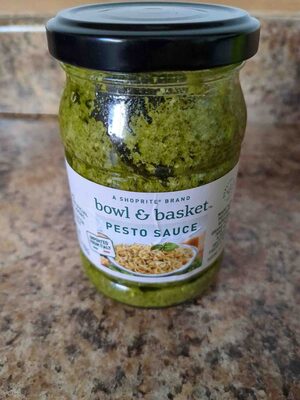
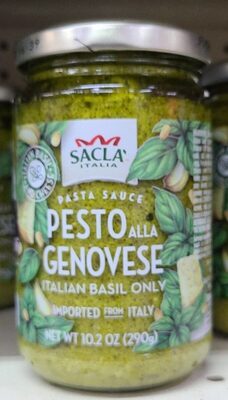
Foods that contain Ewe's Milk
Compare products →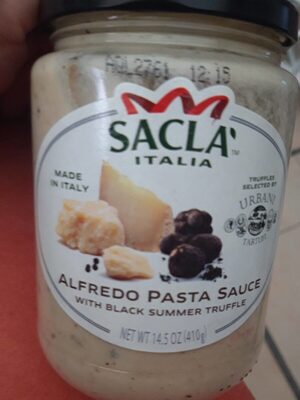
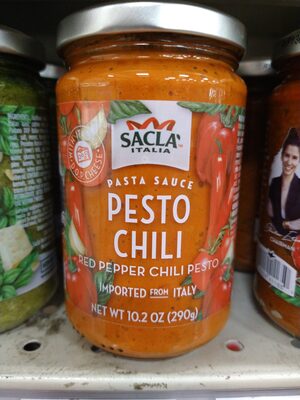
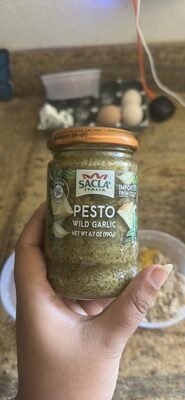
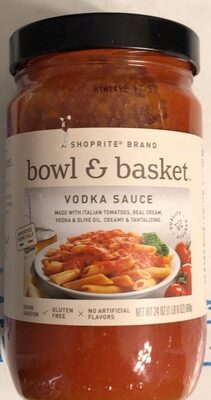
Learn more
Auto-generated content. This description was generated automatically and is pending editorial review. Inaccuracies are possible. Found a mistake? Contact us.