Ezekiel 4:9 Blend
What is Ezekiel 4:9 Blend?
Ezekiel 4:9 Blend is a mixture of sprouted whole grains and legumes. The blend typically includes ingredients like organic sprouted wheat, barley, millet, malted barley, oats, corn, quinoa, and beans. The sprouting process is thought to make the nutrients in the grains and legumes more available.
Is Ezekiel 4:9 Blend vegan?
Ezekiel 4:9 Blend is not animal-derived. Products that contain it can still include other animal-derived ingredients, so check the full ingredient list.
Is Ezekiel 4:9 Blend gluten-free?
It also contains gluten, which is a protein found in wheat and other grains.
Is Ezekiel 4:9 Blend a major allergen?
This blend contains wheat, which is one of the 9 FDA major allergens.
What is Ezekiel 4:9 Blend used for?
This blend is often used as a base for baked goods like bread, muffins, and crackers, as well as in cereals and granolas.
Is Ezekiel 4:9 Blend safe?
Ezekiel 4:9 Blend is not a regulated food additive.
Why it's used
This blend is often used as a base for baked goods like bread, muffins, and crackers, as well as in cereals and granolas. Manufacturers use it to add whole grain content, fiber, and a nutty flavor to products.
Health notes
Ezekiel 4:9 Blend is not a regulated food additive. It is a whole food ingredient. Sprouted grains and legumes are generally considered healthy due to their nutrient content and fiber. There are no specific regulatory evaluations for this blend by bodies like the FDA, EFSA, or JECFA as it is not an additive. Some individuals may find sprouted grains easier to digest.
Allergen info
This blend contains wheat, which is one of the 9 FDA major allergens. It also contains gluten, which is a protein found in wheat and other grains. It is not derived from milk, egg, fish, shellfish, tree nuts, peanuts, soy, or sesame.
Foods that contain Ezekiel 4:9 Blend
Compare products →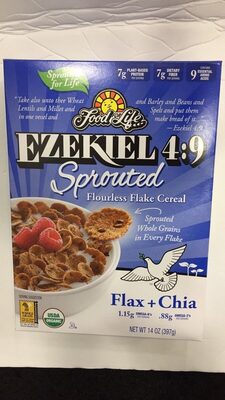
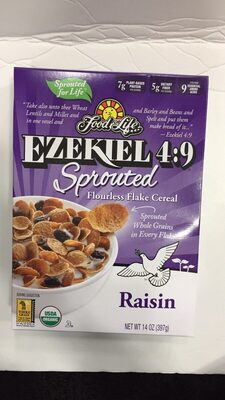
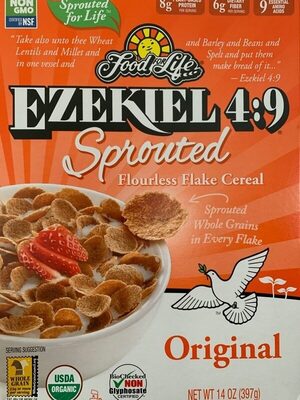
Learn more
Auto-generated content. This description was generated automatically and is pending editorial review. Inaccuracies are possible. Found a mistake? Contact us.