Fat
What is Fat?
Fat is a macronutrient and a major source of energy in the diet. It is a broad term that includes various types of lipids, such as triglycerides, phospholipids, and sterols. Fats can come from animal sources (like butter, lard) or plant sources (like olive oil, avocado oil) and are extracted through various physical or chemical processes.
Is Fat a major allergen?
Fat itself is not a major allergen.
What is Fat used for?
In food, fats contribute to flavor, texture, and mouthfeel, making foods more palatable and satisfying.
Is Fat safe?
Fat is an essential macronutrient necessary for energy, cell function, and absorption of fat-soluble vitamins.
Why it's used
In food, fats contribute to flavor, texture, and mouthfeel, making foods more palatable and satisfying. They are used as cooking mediums, emulsifiers, and to carry fat-soluble vitamins. Common foods containing fat include baked goods, dairy products, meats, and fried foods.
Health notes
Fat is an essential macronutrient necessary for energy, cell function, and absorption of fat-soluble vitamins. The FDA regulates food products containing fats, but 'fat' itself is not an additive requiring specific approval. The 2025-2030 Dietary Guidelines for Americans recommend limiting saturated fat intake to less than 10% of daily calories. Evidence on the specific health effects of different types of dietary fats is complex and ongoing. JECFA and EFSA typically evaluate specific food additives, not the broad category of 'fat' as a macronutrient.
Allergen info
Fat itself is not a major allergen. However, fats derived from major allergens (e.g., milk fat, peanut oil, soy oil) would need to be declared if they contain allergenic proteins.
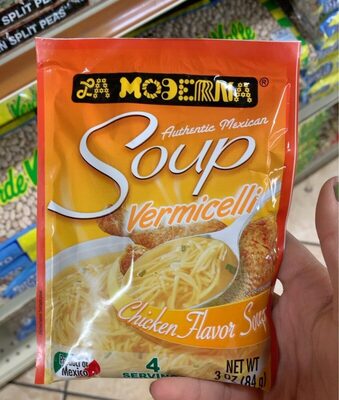
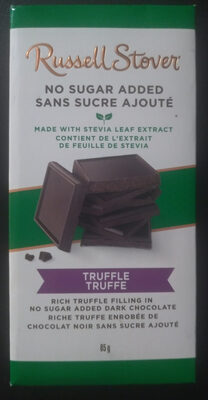
Foods that contain Fat
Compare products →



Learn more
Auto-generated content. This description was generated automatically and is pending editorial review. Inaccuracies are possible. Found a mistake? Contact us.