Filling: Cage-free Eggs
What is Filling: Cage-free Eggs?
Cage-free eggs come from hens that are not kept in battery cages. Instead, they are housed in open barns, aviaries, or free-range systems, allowing them more freedom to roam. These eggs are used whole, or their yolks and whites can be separated for different applications.
Is Filling: Cage-free Eggs vegan?
No. Filling: Cage-free Eggs is animal-derived, so it is not vegan.
Is Filling: Cage-free Eggs gluten-free?
They do not contain gluten.
Is Filling: Cage-free Eggs a major allergen?
Eggs are one of the nine major allergens identified by the FDA.
What is Filling: Cage-free Eggs used for?
Eggs are a source of protein and fat, and their proteins help bind ingredients together.
Is Filling: Cage-free Eggs safe?
Eggs are a nutrient-dense food, providing protein, vitamins, and minerals.
Why it's used
Eggs are a source of protein and fat, and their proteins help bind ingredients together. They are also used for richness and color. Cage-free eggs are found in baked goods, breakfast items, and savory dishes where eggs are a primary ingredient.
Health notes
Eggs are a nutrient-dense food, providing protein, vitamins, and minerals. The FDA considers eggs safe for consumption. International bodies like JECFA have evaluated eggs and their components. Concerns about cholesterol in eggs have been largely addressed by scientific consensus, with dietary cholesterol having a smaller impact on blood cholesterol for most people than previously thought.
Allergen info
Eggs are one of the nine major allergens identified by the FDA. They do not contain gluten.
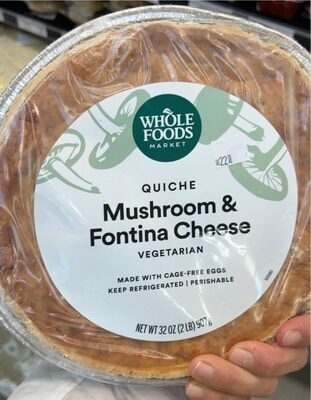
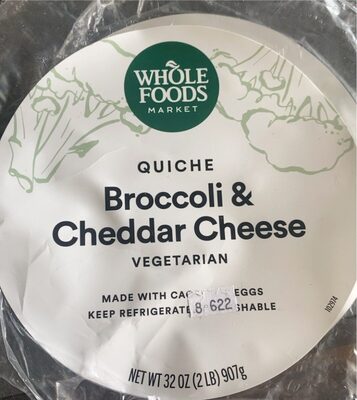
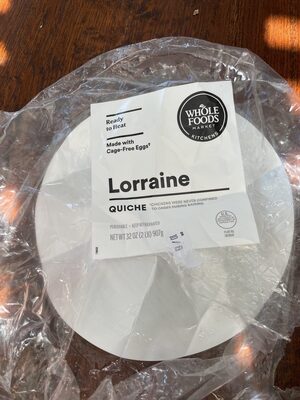
Foods that contain Filling: Cage-free Eggs
Compare products →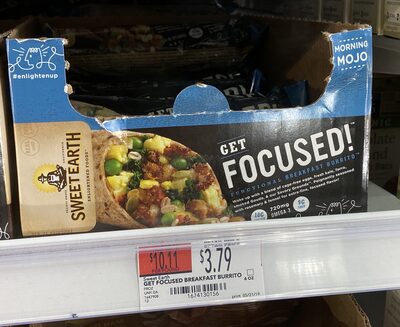
Learn more
Auto-generated content. This description was generated automatically and is pending editorial review. Inaccuracies are possible. Found a mistake? Contact us.