Filtered Lowfat Grade A Milk
What is Filtered Lowfat Grade A Milk?
Filtered lowfat Grade A milk is cow's milk that has had some or all of the fat removed and has been passed through a filter. This filtering process can help remove bacteria and other impurities. It is then typically pasteurized for safety.
Is Filtered Lowfat Grade A Milk vegan?
No. Filtered Lowfat Grade A Milk is animal-derived, so it is not vegan.
Is Filtered Lowfat Grade A Milk a major allergen?
Milk is one of the 9 major allergens identified by the FDA.
What is Filtered Lowfat Grade A Milk used for?
Manufacturers use filtered lowfat milk as a base ingredient in many dairy products.
Is Filtered Lowfat Grade A Milk safe?
Filtered lowfat Grade A milk is regulated by the FDA as a food product.
Why it's used
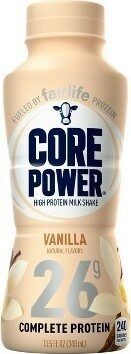
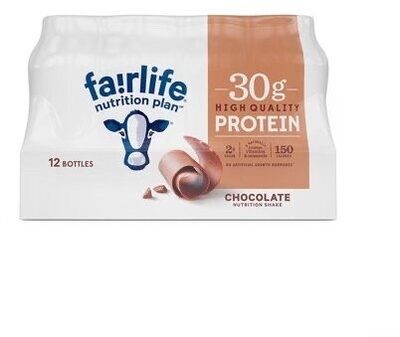
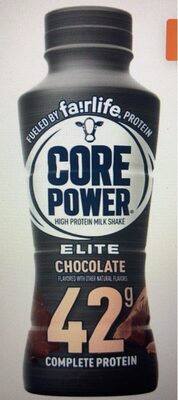
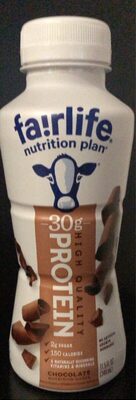
Manufacturers use filtered lowfat milk as a base ingredient in many dairy products. It provides protein, calcium, and a creamy texture. It is commonly found in milk drinks, protein shakes, and breakfast beverages.
Health notes
Filtered lowfat Grade A milk is regulated by the FDA as a food product. It is a source of essential nutrients like calcium and vitamin D (if fortified). The FDA considers milk a safe and wholesome food when produced under sanitary conditions. No specific health concerns are associated with its consumption at typical dietary levels.
Allergen info
Milk is one of the 9 major allergens identified by the FDA. Individuals with a milk allergy should avoid this ingredient.
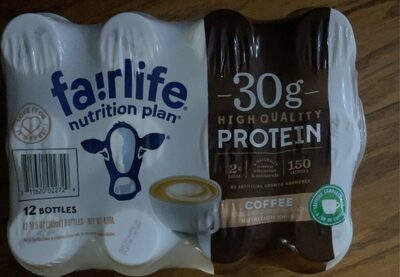
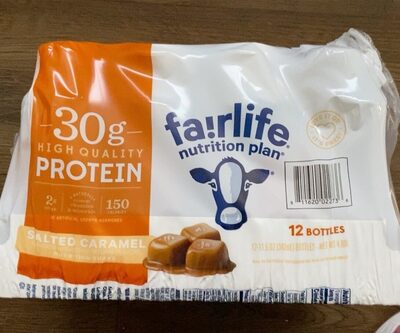
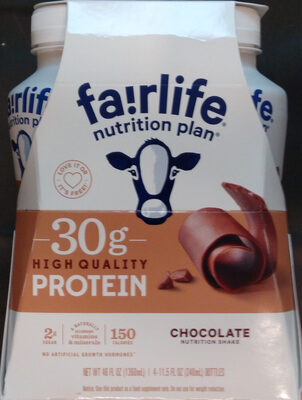
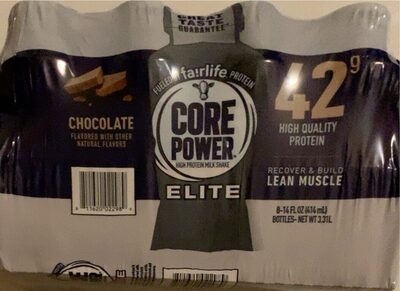
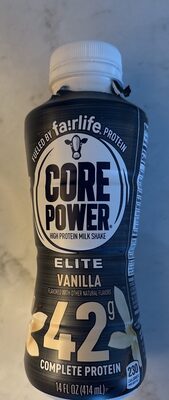
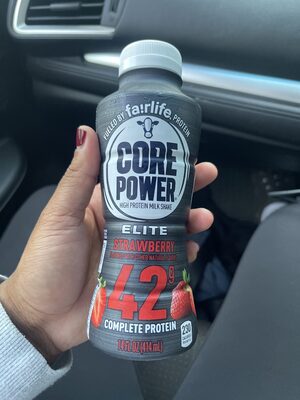
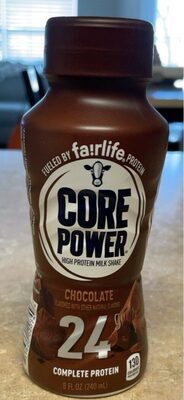
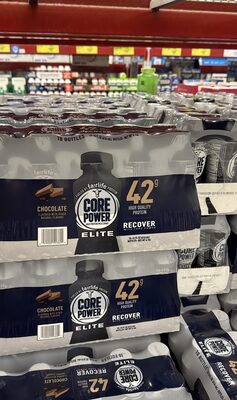
Foods that contain Filtered Lowfat Grade A Milk
Compare products →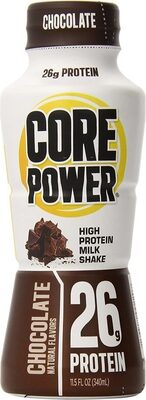
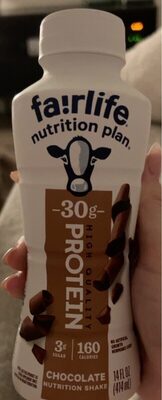
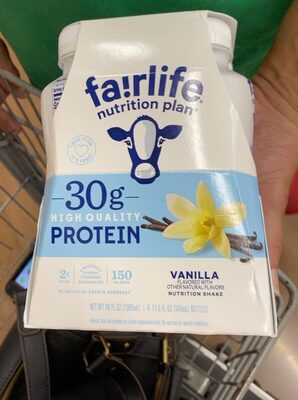
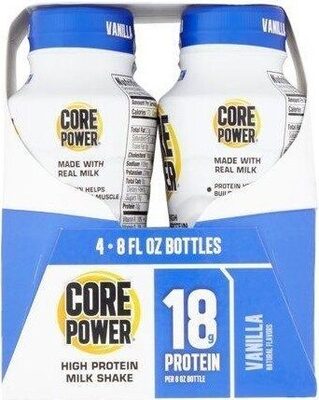
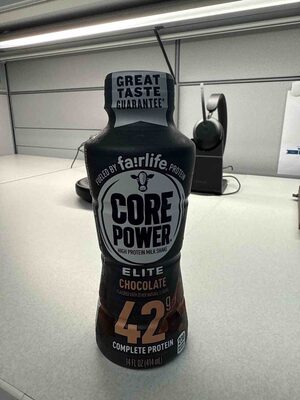
Learn more
Auto-generated content. This description was generated automatically and is pending editorial review. Inaccuracies are possible. Found a mistake? Contact us.