Genoa Salame Pork
What is Genoa Salame Pork?
Genoa salame is a type of dry-cured sausage originating from the Genoa region of Italy. It is typically made from pork, seasoned with garlic, black pepper, and other spices, and then fermented and air-dried for several weeks or months.
Is Genoa Salame Pork vegan?
No. Genoa Salame Pork is animal-derived, so it is not vegan.
Is Genoa Salame Pork gluten-free?
It does not contain gluten unless added during processing.
Is Genoa Salame Pork a major allergen?
Genoa salame is not derived from any of the 9 FDA major allergens.
What is Genoa Salame Pork used for?
Genoa salame is primarily used as a flavorful ingredient in a variety of dishes.
Is Genoa Salame Pork safe?
Genoa salame is a source of protein and can be high in sodium and saturated fat.
Why it's used
Genoa salame is primarily used as a flavorful ingredient in a variety of dishes. It is often sliced and served on charcuterie boards, in sandwiches, or as a topping for pizzas and appetizers.
Health notes
Genoa salame is a source of protein and can be high in sodium and saturated fat. The FDA considers pork to be Generally Recognized As Safe (GRAS). International bodies like JECFA have evaluated similar cured meat products. Evidence suggests high intake of processed meats may be linked to certain health concerns, though research is ongoing.
Allergen info
Genoa salame is not derived from any of the 9 FDA major allergens. It does not contain gluten unless added during processing.
Foods that contain Genoa Salame Pork
Compare products →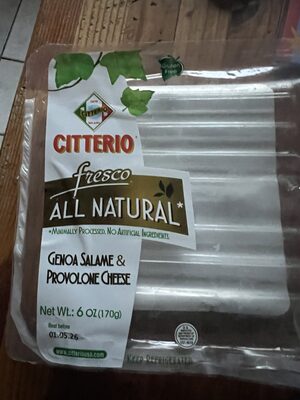
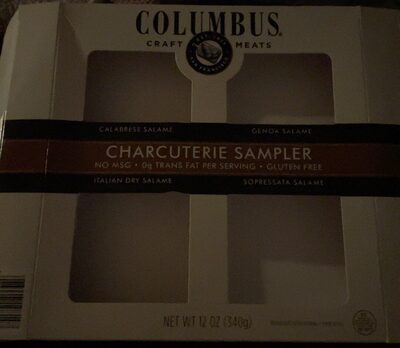
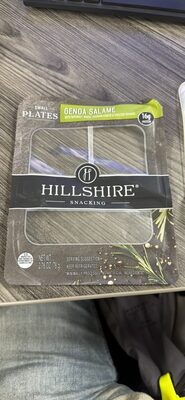
Learn more
Auto-generated content. This description was generated automatically and is pending editorial review. Inaccuracies are possible. Found a mistake? Contact us.