Glucono Delta Lactose
Auto-generated content. This description was generated automatically and is pending editorial review. Inaccuracies are possible. Found a mistake? Contact us.
What it is
Glucono delta-lactone (GDL) is a naturally occurring cyclic ester of gluconic acid. It is made by dehydrating gluconic acid, which is produced by the fermentation of glucose, often from corn or other plant sources. In food, it slowly hydrolyzes to gluconic acid when dissolved in water.
Why it's used
GDL acts as a slow-release acidulant, providing a gradual drop in pH. This makes it useful in products where a controlled acidification is needed, such as in processed meats for curing, in cheese making, and as a leavening agent in baked goods. It can also be used to adjust the acidity of sauces and dressings.
Health notes
In the United States, glucono delta-lactone is generally recognized as safe (GRAS) by the FDA for use as a food additive. It is metabolized by the body as a carbohydrate. International bodies like JECFA have evaluated glucono delta-lactone and established acceptable daily intake levels. Evidence does not suggest adverse health effects at typical consumption levels.
Allergen info
Glucono delta-lactone is not derived from any of the nine FDA major allergens and does not contain gluten.
Products containing Glucono Delta Lactose
Compare products →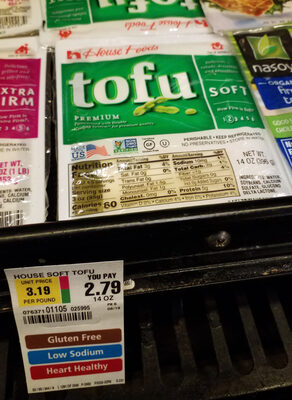 House Foods America Corporation
Premium Soft Tofu
71kcal
5.9Protein
3.5Fat
2.4Carbs
House Foods America Corporation
Premium Tofu
71kcal
5.9Protein
3.5Fat
2.4Carbs
Supervalu, Inc.
Pasta Sauce, Creamy Roasted Garlic Peppercorn Alfredo
High in saturated fat — 23% DV per serving
237kcal
5.1Protein
20.3Fat
8.5Carbs
Giant Eagle, Inc.
Cole Slaw, Homestyle Deli Salads
170kcal
1Protein
13Fat
14Carbs
The Father's Table LLC
The Father's Table, Chocolate Cake Roll
High in saturated fat — 25% DV per serving
High in cholesterol — 28% DV per serving
363kcal
4.4Protein
14.2Fat
54.9Carbs
House Foods America Corporation
Premium Soft Tofu
71kcal
5.9Protein
3.5Fat
2.4Carbs
House Foods America Corporation
Premium Tofu
71kcal
5.9Protein
3.5Fat
2.4Carbs
Supervalu, Inc.
Pasta Sauce, Creamy Roasted Garlic Peppercorn Alfredo
High in saturated fat — 23% DV per serving
237kcal
5.1Protein
20.3Fat
8.5Carbs
Giant Eagle, Inc.
Cole Slaw, Homestyle Deli Salads
170kcal
1Protein
13Fat
14Carbs
The Father's Table LLC
The Father's Table, Chocolate Cake Roll
High in saturated fat — 25% DV per serving
High in cholesterol — 28% DV per serving
363kcal
4.4Protein
14.2Fat
54.9Carbs
 Family Dollar Stores Inc.
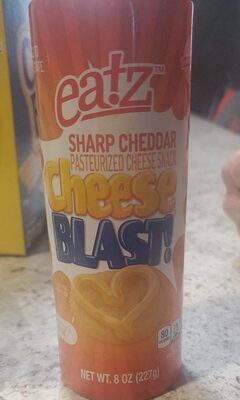
Sharp Cheddar Pasteurized Cheese Snack, Sharp Cheddar
High in sodium — 20% DV per serving
258kcal
12.9Protein
19.4Fat
9.7Carbs
Sylvia Woods Food Company, LLC.
Hoppin' John
66kcal
3.3Protein
0Fat
13.1Carbs
Family Dollar Stores Inc.
Sharp Cheddar Pasteurized Cheese Snack, Sharp Cheddar
High in sodium — 20% DV per serving
258kcal
12.9Protein
19.4Fat
9.7Carbs
Sylvia Woods Food Company, LLC.
Hoppin' John
66kcal
3.3Protein
0Fat
13.1Carbs