Gluten Free Blend
Auto-generated content. This description was generated automatically and is pending editorial review. Inaccuracies are possible. Found a mistake? Contact us.
What it is
A gluten-free blend is a mixture of gluten-free flours, starches, and sometimes gums or other ingredients. It is designed to mimic the texture and baking properties of traditional wheat flour for people with celiac disease or gluten sensitivity. The specific ingredients can vary widely by manufacturer.
Why it's used
Manufacturers use gluten-free blends as a substitute for wheat flour in a variety of baked goods and other food products. They help provide structure, texture, and binding in items like cookies, cakes, breads, and pasta. The goal is to achieve a desirable mouthfeel and taste without the gluten protein.
Health notes
Gluten-free blends are generally recognized as safe (GRAS) by the FDA when used as intended. They are primarily used to avoid gluten, a protein found in wheat, barley, and rye, which can cause adverse reactions in individuals with celiac disease or non-celiac gluten sensitivity. While avoiding gluten is medically necessary for these individuals, there is no widespread scientific consensus that a gluten-free diet offers health benefits for the general population. Regulatory bodies like JECFA and EFSA have evaluated various individual ingredients that may be found in these blends.
Allergen info
Gluten-free blends are specifically designed to be free of gluten, which is derived from wheat, a major allergen. However, depending on the specific ingredients used, other major allergens like soy or tree nuts could potentially be present. Consumers should always check the product's ingredient list for specific allergen information.
Products containing Gluten Free Blend
Compare products →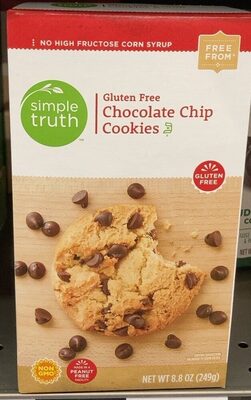 The Kroger Co.
Chocolate Chip Cookies
High in added sugars — 20% DV per serving
462kcal
3.9Protein
17.3Fat
69.2Carbs
Maplehurst Bakeries, LLC
Soft Raisin Gluten-Free Cookies, Soft Raisin
439kcal
3.5Protein
14.0Fat
75.4Carbs
Star Markets Co.
Gluten Free Double Chocolate Chip Cookies, Double Chocolate
High in added sugars — 20% DV per serving
464kcal
3.6Protein
17.9Fat
71.4Carbs
The Kroger Co.
Chocolate Chip Cookies
High in added sugars — 20% DV per serving
462kcal
3.9Protein
17.3Fat
69.2Carbs
Maplehurst Bakeries, LLC
Soft Raisin Gluten-Free Cookies, Soft Raisin
439kcal
3.5Protein
14.0Fat
75.4Carbs
Star Markets Co.
Gluten Free Double Chocolate Chip Cookies, Double Chocolate
High in added sugars — 20% DV per serving
464kcal
3.6Protein
17.9Fat
71.4Carbs
 Aryzta, LLC
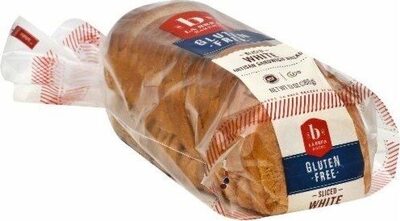
La Brea Bakery, Sliced White Artisan Sandwich Bread
265kcal
2.0Protein
6.1Fat
53.1Carbs
Aryzta, LLC
La Brea Bakery, Sliced White Artisan Sandwich Bread
265kcal
2.0Protein
6.1Fat
53.1Carbs
 Aryzta, LLC
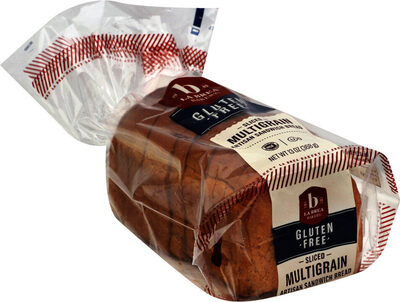
La Brea Bakery, Sliced Multigrain Artisan Sandwich Bread
265kcal
4.1Protein
8.2Fat
49.0Carbs
Rotella's Italian Bakery Inc.
Gourmet Hotdog
160kcal
5.3Protein
5.3Fat
32Carbs
Hy-Vee, Inc.
Cheese Lasagna With Marinara Sauce, Cheese With Marinara Sauce
High in sodium — 31% DV per serving
High in saturated fat — 22% DV per serving
High in cholesterol — 30% DV per serving
115kcal
4.0Protein
4.4Fat
15.0Carbs
Aryzta, LLC
La Brea Bakery, Sliced Multigrain Artisan Sandwich Bread
265kcal
4.1Protein
8.2Fat
49.0Carbs
Rotella's Italian Bakery Inc.
Gourmet Hotdog
160kcal
5.3Protein
5.3Fat
32Carbs
Hy-Vee, Inc.
Cheese Lasagna With Marinara Sauce, Cheese With Marinara Sauce
High in sodium — 31% DV per serving
High in saturated fat — 22% DV per serving
High in cholesterol — 30% DV per serving
115kcal
4.0Protein
4.4Fat
15.0Carbs
 Hy-Vee, Inc.
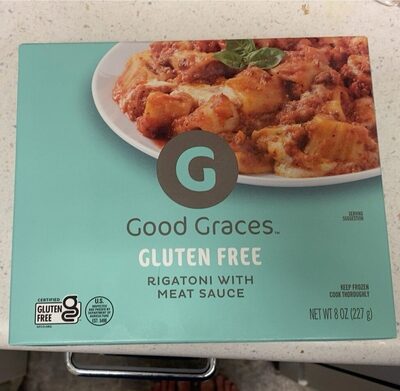
Rigatoni With Meat Sauce, Rigatoni
High in sodium — 21% DV per serving
66kcal
2.6Protein
2.6Fat
8.4Carbs
Hy-Vee, Inc.
Cheese Ravioli With Marinara Sauce, Cheese Ravioli With Marinara
High in sodium — 29% DV per serving
High in saturated fat — 20% DV per serving
High in cholesterol — 28% DV per serving
119kcal
4.0Protein
4.0Fat
16.3Carbs
Hy-Vee, Inc.
Rigatoni With Meat Sauce, Rigatoni
High in sodium — 21% DV per serving
66kcal
2.6Protein
2.6Fat
8.4Carbs
Hy-Vee, Inc.
Cheese Ravioli With Marinara Sauce, Cheese Ravioli With Marinara
High in sodium — 29% DV per serving
High in saturated fat — 20% DV per serving
High in cholesterol — 28% DV per serving
119kcal
4.0Protein
4.0Fat
16.3Carbs