Glutinous Rice Powder
What is Glutinous Rice Powder?
Glutinous rice powder is a finely ground flour made from a type of rice called glutinous rice, also known as sticky rice. Despite its name, it does not contain gluten. It is made by milling the cooked or uncooked grains of glutinous rice.
Is Glutinous Rice Powder vegan?
Glutinous Rice Powder is not animal-derived. Products that contain it can still include other animal-derived ingredients, so check the full ingredient list.
Is Glutinous Rice Powder gluten-free?
It is a grain product but does not contain gluten.
Is Glutinous Rice Powder a major allergen?
Glutinous rice powder is not derived from any of the nine FDA major allergens.
What is Glutinous Rice Powder used for?
Manufacturers use glutinous rice powder as a thickener and binder in many food products.
Is Glutinous Rice Powder safe?
Glutinous rice powder is generally recognized as safe (GRAS) by the FDA for use in food.
Why it's used
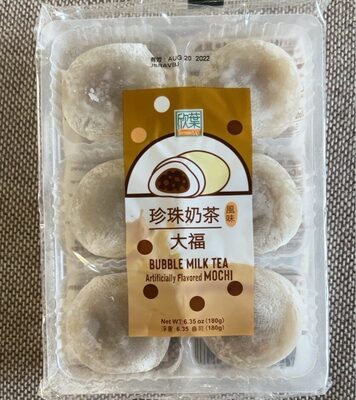
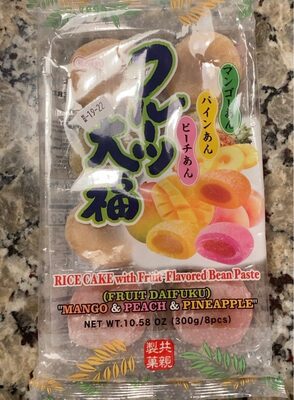
Manufacturers use glutinous rice powder as a thickener and binder in many food products. Its starchy nature gives foods a chewy texture and helps them hold their shape. It is commonly found in desserts like mochi, rice cakes, puddings, and as a thickener in sauces and batters.
Health notes
Glutinous rice powder is generally recognized as safe (GRAS) by the FDA for use in food. It is a carbohydrate source and provides energy. Regulatory bodies like JECFA and EFSA have evaluated similar rice-derived starches. Evidence does not suggest adverse health effects from typical consumption levels.
Allergen info
Glutinous rice powder is not derived from any of the nine FDA major allergens. It is a grain product but does not contain gluten.
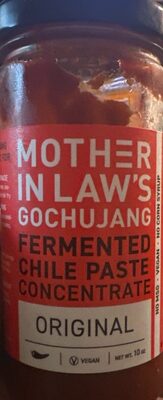
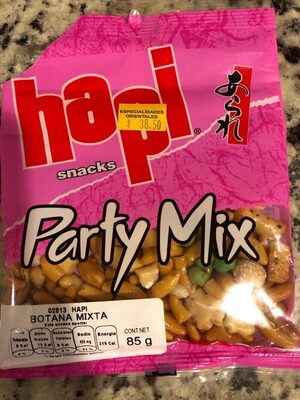
Foods that contain Glutinous Rice Powder
Compare products →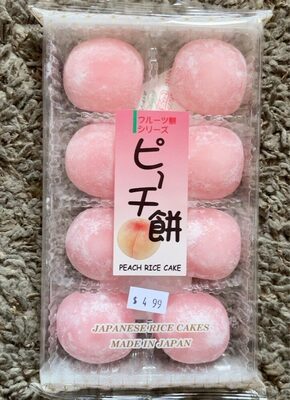
Learn more
Auto-generated content. This description was generated automatically and is pending editorial review. Inaccuracies are possible. Found a mistake? Contact us.