Grade A Nonfat Milk Powder
What is Grade A Nonfat Milk Powder?
Grade A nonfat milk powder is made by removing water from pasteurized skim milk. The resulting powder is a source of protein and calcium. It is commonly used as an ingredient in processed foods.
Is Grade A Nonfat Milk Powder vegan?
No. Grade A Nonfat Milk Powder is animal-derived, so it is not vegan.
Is Grade A Nonfat Milk Powder a major allergen?
Milk is one of the 9 major allergens identified by the FDA.
What is Grade A Nonfat Milk Powder used for?
Manufacturers add nonfat milk powder to foods to improve texture, add protein, and provide a dairy flavor.
Is Grade A Nonfat Milk Powder safe?
In the US, Grade A nonfat milk powder is generally recognized as safe (GRAS) by the FDA.
Why it's used
Manufacturers add nonfat milk powder to foods to improve texture, add protein, and provide a dairy flavor. It is often found in baked goods, dairy products like ice cream and yogurt, and processed meats.
Health notes
In the US, Grade A nonfat milk powder is generally recognized as safe (GRAS) by the FDA. It is a source of protein and calcium, which are essential nutrients. The Joint FAO/WHO Expert Committee on Food Additives (JECFA) and the European Food Safety Authority (EFSA) have evaluated milk proteins. Typical consumption as part of a balanced diet is not associated with adverse health effects.
Allergen info
Milk is one of the 9 major allergens identified by the FDA. Grade A nonfat milk powder is derived from milk and therefore contains milk allergens.
Foods that contain Grade A Nonfat Milk Powder
Compare products →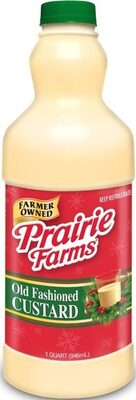
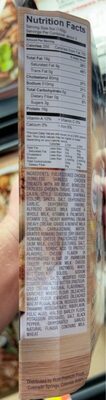
Learn more
Auto-generated content. This description was generated automatically and is pending editorial review. Inaccuracies are possible. Found a mistake? Contact us.