Grade A Pasteurized Reduced Fat Milk
What is Grade A Pasteurized Reduced Fat Milk?
Grade A Pasteurized Reduced Fat Milk is cow's milk that has had some of its fat removed to achieve a lower fat content, typically around 2%. It undergoes pasteurization, a heating process that kills harmful bacteria, and meets 'Grade A' quality standards set for dairy products.
Is Grade A Pasteurized Reduced Fat Milk vegan?
No. Grade A Pasteurized Reduced Fat Milk is animal-derived, so it is not vegan.
Is Grade A Pasteurized Reduced Fat Milk a major allergen?
Milk is one of the nine major food allergens identified by the FDA.
What is Grade A Pasteurized Reduced Fat Milk used for?
This ingredient is primarily consumed as a beverage itself.
Is Grade A Pasteurized Reduced Fat Milk safe?
Milk is a common food product regulated by the FDA.
Why it's used
This ingredient is primarily consumed as a beverage itself. It is also a fundamental ingredient in many dairy products like yogurt, cheese, and ice cream, and is used in various prepared foods such as baked goods, sauces, and smoothies to provide flavor, texture, and nutritional value.
Health notes
Milk is a common food product regulated by the FDA. It is a good source of protein, calcium, and often fortified with vitamin D. The 2025-2030 Dietary Guidelines for Americans recommend choosing low-fat or fat-free dairy products as part of a healthy eating pattern. Some individuals may experience digestive issues due to lactose intolerance or have an allergy to milk proteins.
Allergen info
Milk is one of the nine major food allergens identified by the FDA.
Foods that contain Grade A Pasteurized Reduced Fat Milk
Compare products →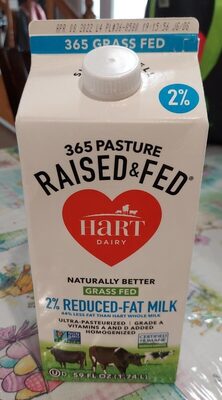
Learn more
Auto-generated content. This description was generated automatically and is pending editorial review. Inaccuracies are possible. Found a mistake? Contact us.