Greek Yogurt
What is Greek Yogurt?
Greek yogurt is a strained yogurt that is thicker and creamier than regular yogurt. It is made by removing whey, a liquid byproduct of yogurt production. This process results in a more concentrated product with a tangier flavor.
Is Greek Yogurt vegan?
No. Greek Yogurt is animal-derived, so it is not vegan.
Is Greek Yogurt gluten-free?
It does not contain gluten.
Is Greek Yogurt a major allergen?
Greek yogurt is derived from milk, which is one of the 9 FDA major allergens.
What is Greek Yogurt used for?
Greek yogurt is used as a base for dips, dressings, and sauces due to its thick texture and mild flavor.
Is Greek Yogurt safe?
Greek yogurt is a source of protein, calcium, and probiotics, which are beneficial bacteria for gut health.
Why it's used
Greek yogurt is used as a base for dips, dressings, and sauces due to its thick texture and mild flavor. It can also be used in baking as a substitute for sour cream or mayonnaise, adding moisture and richness. Manufacturers use it in yogurt products, desserts, and as a protein-rich ingredient.
Health notes
Greek yogurt is a source of protein, calcium, and probiotics, which are beneficial bacteria for gut health. The FDA recognizes yogurt with live and active cultures as a potentially beneficial food. Regulatory bodies like EFSA have evaluated yogurt and its components. At typical consumption levels, it is considered safe and nutritious.
Allergen info
Greek yogurt is derived from milk, which is one of the 9 FDA major allergens. It does not contain gluten.
Foods that contain Greek Yogurt
Compare products →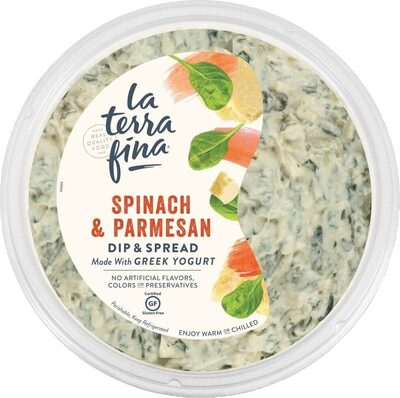



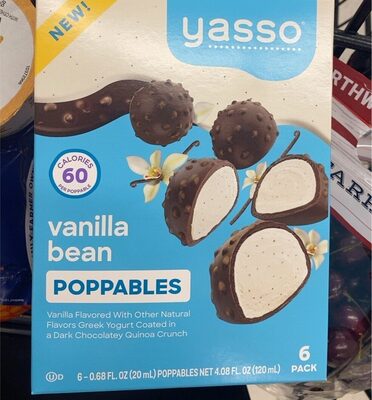







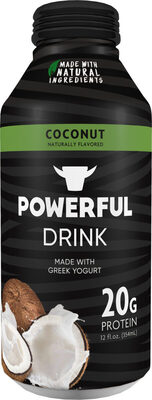







Learn more
Auto-generated content. This description was generated automatically and is pending editorial review. Inaccuracies are possible. Found a mistake? Contact us.