Hard Salami: Pork
What is Hard Salami: Pork?
Pork is the meat from a domestic pig. It is a common source of protein and fat, and is used in a wide variety of food products. Hard salami is a type of dry-cured sausage made from pork, seasoned with spices, and fermented.
Is Hard Salami: Pork vegan?
No. Hard Salami: Pork is animal-derived, so it is not vegan.
Is Hard Salami: Pork gluten-free?
It does not contain gluten.
Is Hard Salami: Pork a major allergen?
Pork is not one of the 9 major allergens identified by the FDA.
What is Hard Salami: Pork used for?
Pork is a primary ingredient in many meat products, including sausages, cured meats, and fresh cuts.
Is Hard Salami: Pork safe?
Pork is a source of protein, B vitamins, and minerals.
Why it's used
Pork is a primary ingredient in many meat products, including sausages, cured meats, and fresh cuts. In hard salami, pork provides the base meat and contributes to the texture and flavor profile. It is often combined with other ingredients like spices, salt, and curing agents.
Health notes
Pork is a source of protein, B vitamins, and minerals. The U.S. Food and Drug Administration (FDA) considers pork safe for consumption when properly handled and cooked. The World Health Organization (WHO) has classified processed meats, including salami, as Group 1 carcinogens, meaning there is sufficient evidence that they cause cancer in humans. This classification is based on large-scale epidemiological studies. However, the risk is associated with regular, high consumption of processed meats.
Allergen info
Pork is not one of the 9 major allergens identified by the FDA. It does not contain gluten.
Foods that contain Hard Salami: Pork
Compare products →
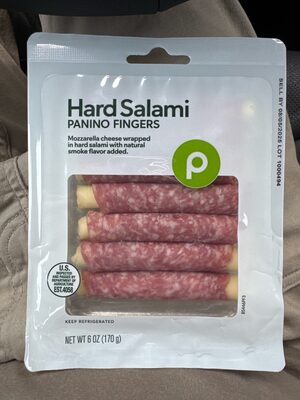
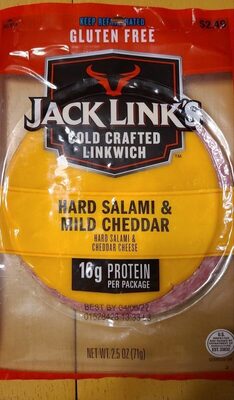
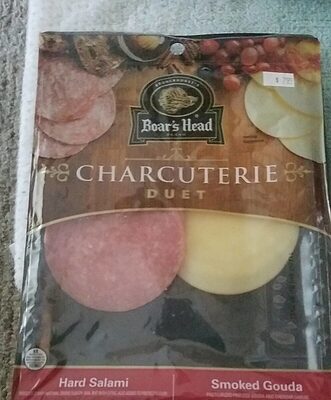
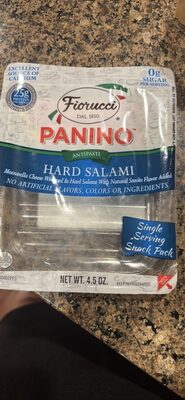
Learn more
Auto-generated content. This description was generated automatically and is pending editorial review. Inaccuracies are possible. Found a mistake? Contact us.