Hi Oleic Sunflower Oil
What is Hi Oleic Sunflower Oil?
High oleic sunflower oil is a type of vegetable oil extracted from specially bred sunflower seeds. Unlike regular sunflower oil, it contains a much higher percentage of oleic acid, a monounsaturated fatty acid. This oil is produced through conventional plant breeding, not genetic modification, to achieve its unique fatty acid profile.
Is Hi Oleic Sunflower Oil vegan?
Hi Oleic Sunflower Oil is not animal-derived. Products that contain it can still include other animal-derived ingredients, so check the full ingredient list.
Is Hi Oleic Sunflower Oil a major allergen?
Not a major allergen.
What is Hi Oleic Sunflower Oil used for?
Manufacturers use high oleic sunflower oil as a cooking oil, a frying oil, and an ingredient in many processed foods.
Is Hi Oleic Sunflower Oil safe?
High oleic sunflower oil is generally recognized as safe (GRAS) by the U.S. Food and Drug Administration (FDA).
Why it's used
Manufacturers use high oleic sunflower oil as a cooking oil, a frying oil, and an ingredient in many processed foods. Its high oleic acid content makes it more stable at high temperatures and gives it a longer shelf life compared to other vegetable oils. It is often found in snacks, baked goods, and plant-based products.
Health notes
High oleic sunflower oil is generally recognized as safe (GRAS) by the U.S. Food and Drug Administration (FDA). It is rich in monounsaturated fats, which are considered a healthier alternative to saturated fats. As a common food ingredient, it is not typically subject to the same additive evaluations by bodies like JECFA or EFSA, which focus on food additives.
Allergen info
Not a major allergen.
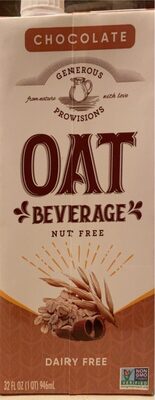
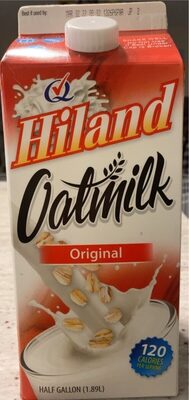
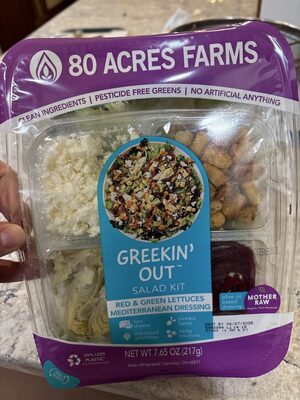
Foods that contain Hi Oleic Sunflower Oil
Compare products →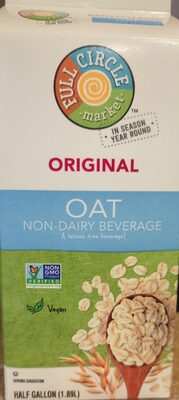
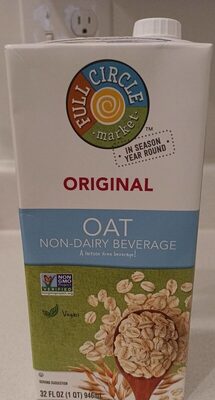
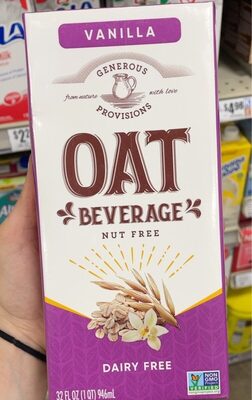
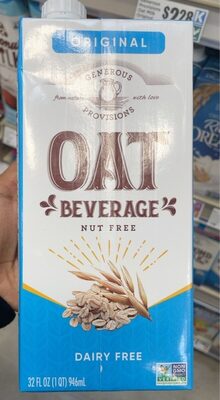
Learn more
Auto-generated content. This description was generated automatically and is pending editorial review. Inaccuracies are possible. Found a mistake? Contact us.