High Oleic Canola
What is High Oleic Canola?
High oleic canola is a type of canola oil made from specific varieties of the rapeseed plant. These plants are bred to produce oil with a much higher amount of oleic acid, a monounsaturated fat, compared to regular canola oil. The oil is extracted from the seeds of the canola plant.
Is High Oleic Canola vegan?
High Oleic Canola is not animal-derived. Products that contain it can still include other animal-derived ingredients, so check the full ingredient list.
Is High Oleic Canola a major allergen?
Not a major allergen.
What is High Oleic Canola used for?
Manufacturers use high oleic canola oil primarily for its stability during cooking and its longer shelf life.
Is High Oleic Canola safe?
In the United States, canola oil, including high oleic varieties, is generally recognized as safe (GRAS) by the FDA for its intended uses.
Why it's used
Manufacturers use high oleic canola oil primarily for its stability during cooking and its longer shelf life. Its high oleic acid content makes it more resistant to breaking down when heated, making it a good choice for frying, baking, and in snack foods like chips and fries.
Health notes
In the United States, canola oil, including high oleic varieties, is generally recognized as safe (GRAS) by the FDA for its intended uses. It is a source of monounsaturated fats, which are considered part of a healthy diet. JECFA has evaluated fats and oils, including canola oil, and has not set a numeric acceptable daily intake (ADI) because they are considered food components rather than additives requiring a specific limit.
Allergen info
Not a major allergen.
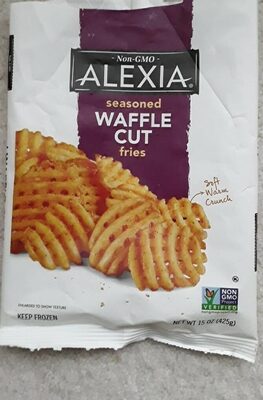
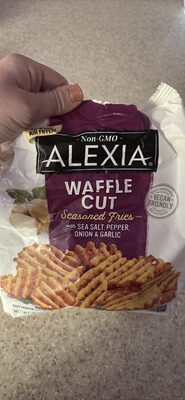
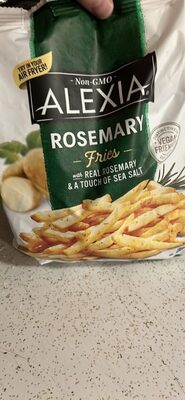
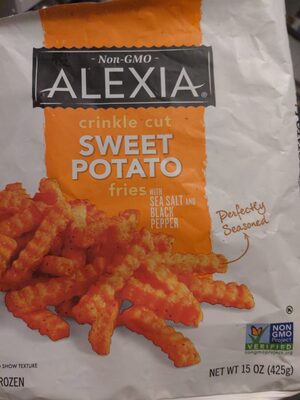
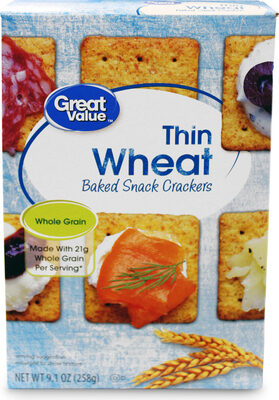
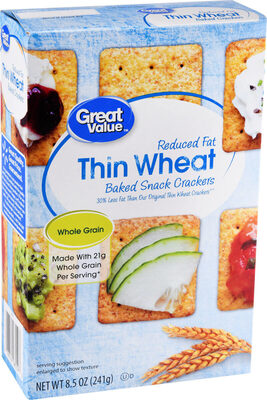
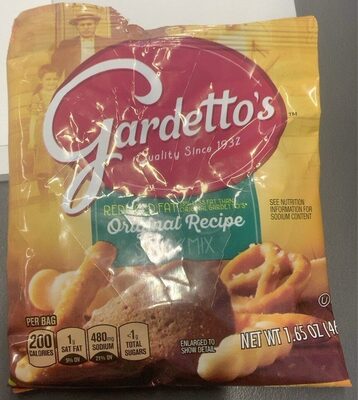
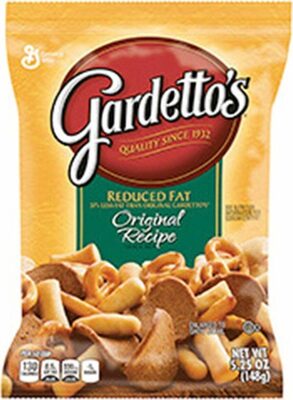
Foods that contain High Oleic Canola
Compare products →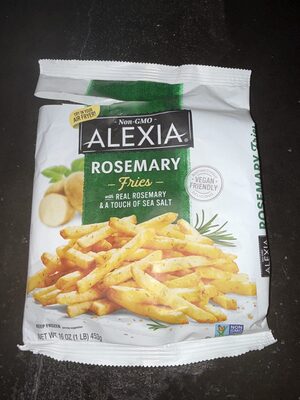
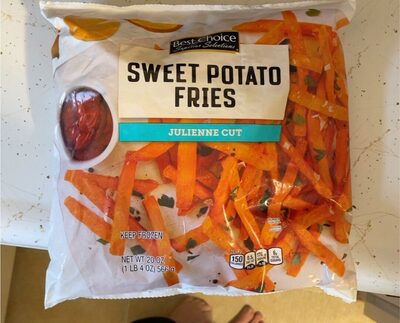
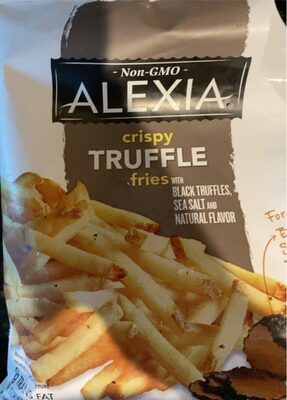
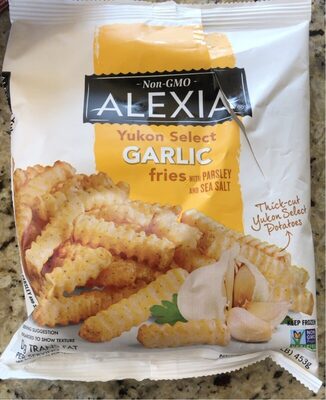


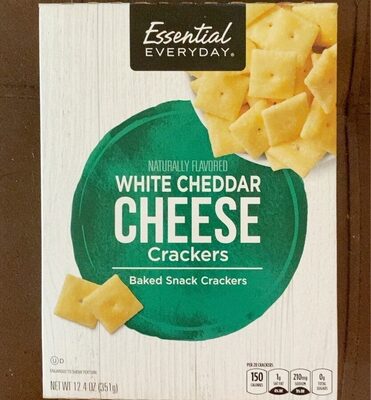

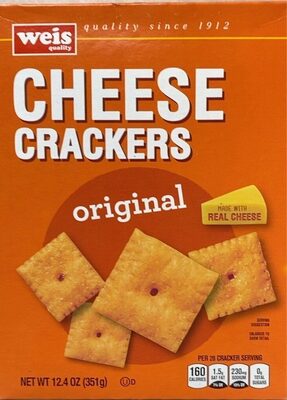
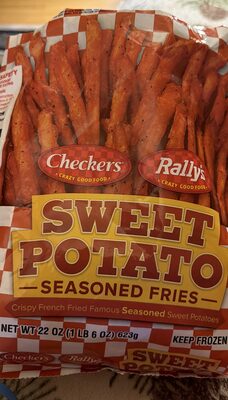
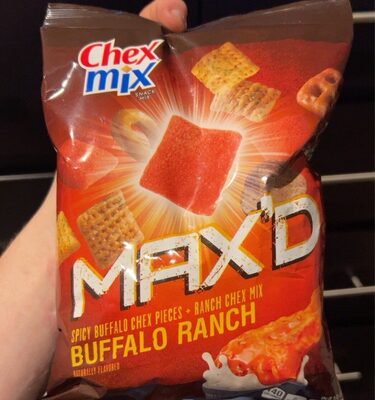

Learn more
Auto-generated content. This description was generated automatically and is pending editorial review. Inaccuracies are possible. Found a mistake? Contact us.