High Oleic Oil
What is High Oleic Oil?
High oleic oils are vegetable oils that have been bred or processed to have a higher concentration of oleic acid, a type of monounsaturated fat. They are typically derived from seeds like sunflower or safflower. The process increases the oil's stability and shelf life.
Is High Oleic Oil vegan?
High Oleic Oil is not animal-derived. Products that contain it can still include other animal-derived ingredients, so check the full ingredient list.
Is High Oleic Oil gluten-free?
They do not contain gluten.
Is High Oleic Oil a major allergen?
High oleic oils are not derived from major allergens.
What is High Oleic Oil used for?
Manufacturers use high oleic oils for their heat stability and long shelf life, which helps prevent spoilage and off-flavors in processed foods.
Is High Oleic Oil safe?
High oleic oils are generally recognized as safe (GRAS) by the FDA for use in food.
Why it's used
Manufacturers use high oleic oils for their heat stability and long shelf life, which helps prevent spoilage and off-flavors in processed foods. They are often found in snacks, baked goods, and fried products where an oil that can withstand high temperatures is needed.
Health notes
High oleic oils are generally recognized as safe (GRAS) by the FDA for use in food. Replacing saturated and polyunsaturated fats with monounsaturated fats like those in high oleic oils may have benefits for heart health, according to some peer-reviewed reviews. The World Health Organization (WHO) has not identified specific health concerns with high oleic oils at typical consumption levels.
Allergen info
High oleic oils are not derived from major allergens. They do not contain gluten.
Foods that contain High Oleic Oil
Compare products →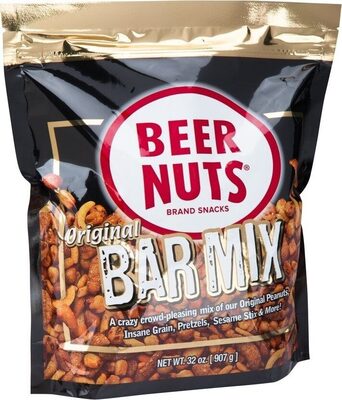
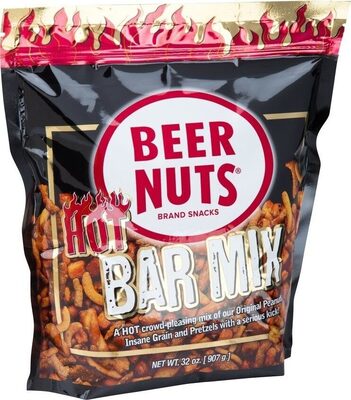
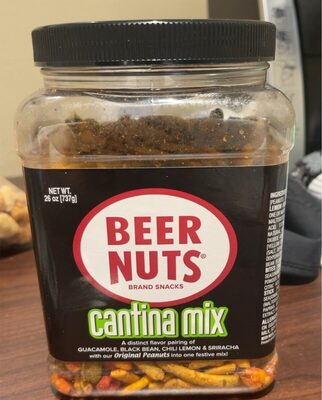
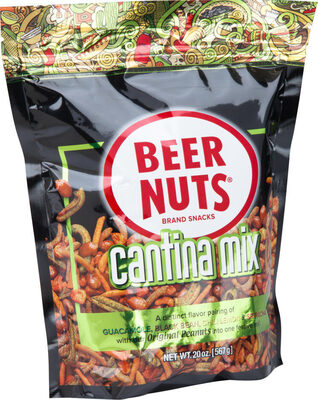
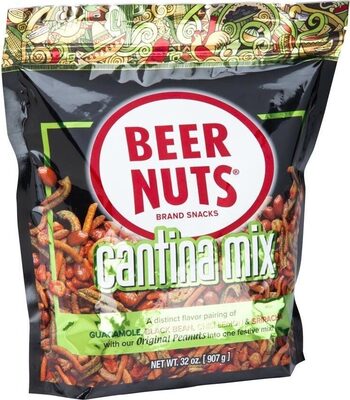

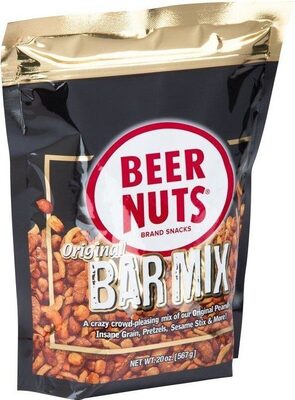
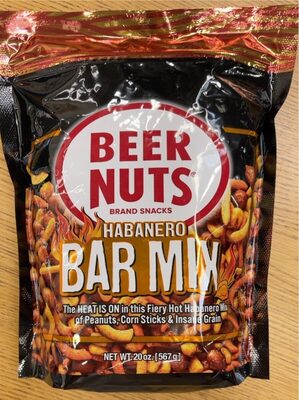
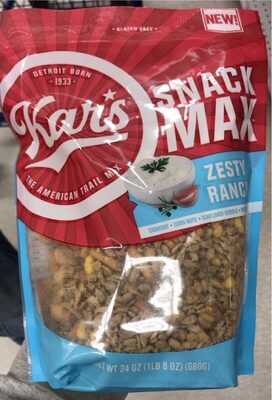


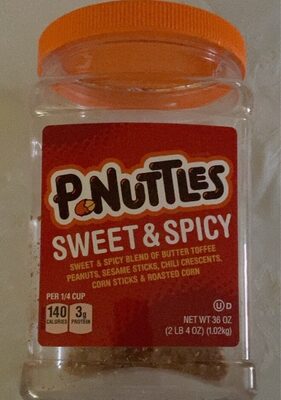
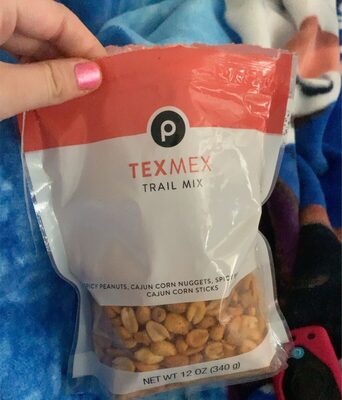

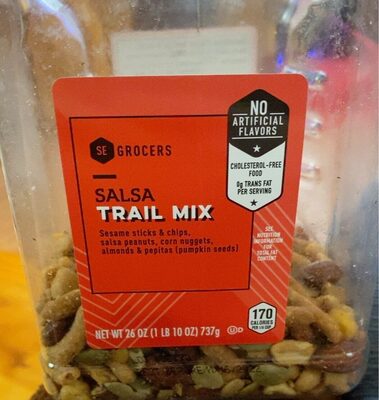
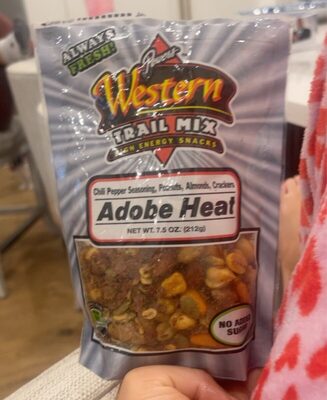 Powers
Adobe Heat Western Trail Mix High Energy Snacks, Adobe Heat
567kcal
20Protein
40Fat
33.3Carbs

Learn more
Auto-generated content. This description was generated automatically and is pending editorial review. Inaccuracies are possible. Found a mistake? Contact us.