High Oleic Safflower
What is High Oleic Safflower?
High oleic safflower oil is a cooking oil made from safflower seeds that have been bred to have a high concentration of oleic acid, a monounsaturated fat. Safflower plants are grown in various regions, including the United States. The oil is extracted from the seeds and then refined for use in food products.
Is High Oleic Safflower vegan?
High Oleic Safflower is not animal-derived. Products that contain it can still include other animal-derived ingredients, so check the full ingredient list.
Is High Oleic Safflower gluten-free?
It does not contain gluten.
Is High Oleic Safflower a major allergen?
High oleic safflower oil is not derived from any of the nine major allergens recognized by the FDA.
What is High Oleic Safflower used for?
Manufacturers use high oleic safflower oil primarily as a cooking oil and a source of healthy fats.
Is High Oleic Safflower safe?
High oleic safflower oil is generally recognized as safe (GRAS) by the FDA for use as a food ingredient.
Why it's used
Manufacturers use high oleic safflower oil primarily as a cooking oil and a source of healthy fats. Its high smoke point makes it suitable for frying and baking. It is often found in processed foods like baked goods, snacks, and dressings.
Health notes
High oleic safflower oil is generally recognized as safe (GRAS) by the FDA for use as a food ingredient. It is a source of monounsaturated fats, which are considered heart-healthy fats. The Joint FAO/WHO Expert Committee on Food Additives (JECFA) has evaluated similar vegetable oils, and EFSA has assessed fats and oils. Evidence suggests that replacing saturated fats with unsaturated fats like those in high oleic safflower oil can contribute to better cardiovascular health.
Allergen info
High oleic safflower oil is not derived from any of the nine major allergens recognized by the FDA. It does not contain gluten.
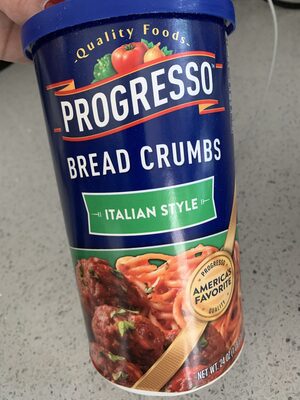
Foods that contain High Oleic Safflower
Compare products →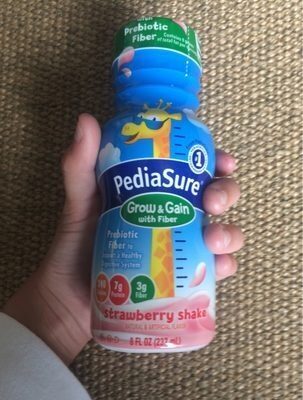
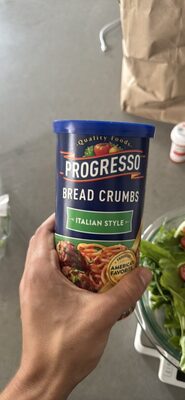
Learn more
Auto-generated content. This description was generated automatically and is pending editorial review. Inaccuracies are possible. Found a mistake? Contact us.